Amazon Basics 2-Door Pet Travel Carrier review
Are you trying to choose a sturdy, travel-ready carrier for your cat or medium-size dog and want a clear, practical review before you buy?

Product Overview
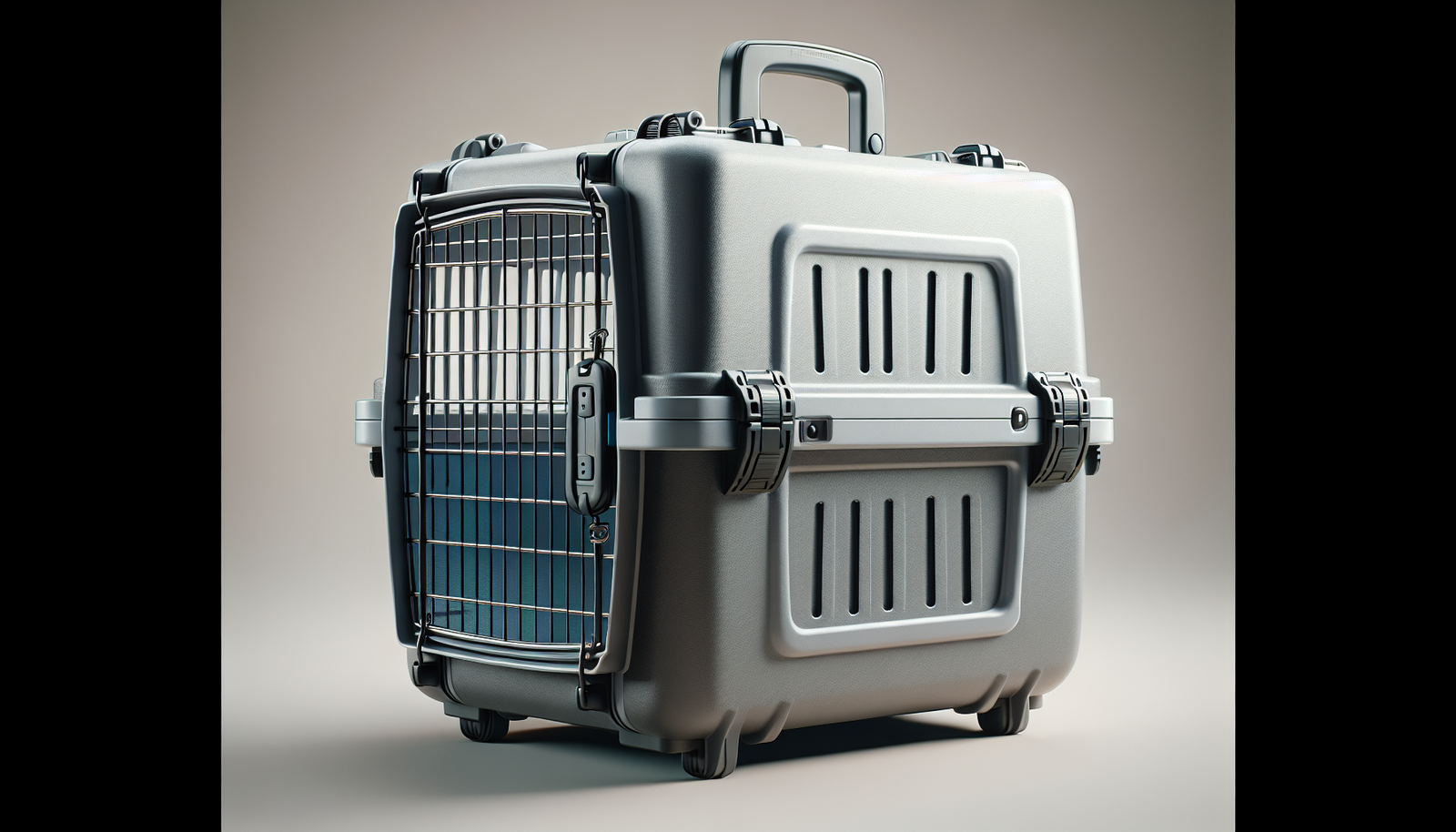
You’re looking at the Amazon Basics 2-Door Top-Load Hard-Sided Dogs, Cats Pet Travel Carrier, Gray & Blue, 22.8″L x 15.0″W x 13.0″H because it promises strong construction and convenient entry options. In this section you’ll get a straightforward description of what the carrier is and what it’s intended to do.
Who it’s for
This carrier is aimed at people who own cats or medium-sized dogs roughly in the 12–20 pound range, though the manufacturer notes weight is only a reference and you should select by your pet’s length and height. If you take your pet to vet visits, short road trips, or need a secure kennel for transport, this design fits those use cases well.
What’s included
When you order the Amazon Basics 2-Door Top-Load Hard-Sided Dogs, Cats Pet Travel Carrier, Gray & Blue, 22.8″L x 15.0″W x 13.0″H you receive the hard top and bottom shell, two steel wire doors (one on top, one on the front), screws to fasten the pieces together, and the spring-loaded latches. The product arrives mostly assembled or in two main pieces that you secure with the included screws, which keeps the carrier solid during use.
Quick Specifications
Here is a concise table of the key specs so you can quickly confirm whether the physical dimensions and features match your needs.
| Feature | Details |
|---|---|
| Product name | Amazon Basics 2-Door Top-Load Hard-Sided Dogs, Cats Pet Travel Carrier, Gray & Blue, 22.8″L x 15.0″W x 13.0″H |
| Dimensions (L x W x H) | 22.8 x 15 x 13 inches |
| Doors | Two steel wire doors: front and top |
| Entry options | Front and top entry; top door swings left or right |
| Weight suitability | Recommended for pets approximately 12–20 lb (weight is reference only) |
| Construction | Durable plastic with steel wire doors |
| Fastening | Screws to secure top and bottom sections |
| Latches | Spring-loaded latches for one-handed operation |
| Ventilation | Sides, top, and back ventilation slots |
| Carrying | Top carry handle |
| Colors | Gray & Blue |
| Notes | Select based on pet height and length; measure pet before purchasing |
These specifications help you verify that the carrier will physically fit in your vehicle or in storage space at home and that the materials and features align with what you need for your pet.
Design and Build Quality
You’ll notice the carrier is built with hard plastic shell pieces and metal wire doors, which makes it more rigid and protective than soft-sided carriers. The construction is straightforward and prioritizes durability and easy cleaning over plushness or collapsibility.
Materials and construction
The main body is a molded hard plastic that resists scratches and holds up to knocks and bumps during transport, which is useful when you expect rough handling or place it in the trunk or back seat. The steel wire doors are sturdy and provide secure closure while allowing good visibility; they’re not flimsy, but like any wire door, you should check for bends or rust over time.
Door mechanism and latches
Spring-loaded latches on each door enable one-handed opening and closing, which is handy when you’re holding your pet or other items with the other hand. The top door swings open to the left or right depending on how you set it up, which provides flexibility for loading or unloading your pet in tight spaces.
Assembly and durability
The top and bottom halves are connected by screws rather than snap clips, which adds structural integrity but means you’ll need a screwdriver for assembly or if you want to disassemble for cleaning. Over months of normal use the carrier holds up well if you don’t drop it from high heights or leave it exposed to extreme sunlight that can weaken plastic over very long periods.
Size, Fit, and Weight Guidelines
You should pick this carrier based on your pet’s length and height rather than weight alone, because a compact but heavy pet might be uncomfortable if the carrier is too small. The listed weight range of 12–20 pounds is only a guideline.
Choosing the right size
Measure your pet from nose to base of tail for length and from paw to the top of the head for height, and compare those numbers to the carrier’s internal dimensions; you want enough room for your pet to stand, turn, and lie down comfortably. If your pet is close to the upper dimension limits, opt for a larger carrier to ensure your animal isn’t cramped during travel.
Measuring your pet
For an accurate fit, have your pet stand on a flat surface and use a tape measure from the tip of the nose to the base of the tail for length, and from the floor to the top of the shoulder for height. Add a few inches to each measurement to allow your pet room to change position and to accommodate a thin pad or blanket for comfort.
Ventilation and Visibility
This carrier provides multiple ventilation openings on the sides, top, and back so air flows through the shell and keeps your pet comfortable. Visibility through the wire doors helps reduce some animals’ anxiety because they can see out and you can see in.
Airflow design
The molded plastic includes slots and holes at several points to keep air moving through the carrier, which is important on warm days or during longer trips. While airflow is decent for everyday use, you should avoid leaving your pet unattended in a closed car even with ventilation in place.
Visibility for your pet
The front and top wire doors give pets a good line of sight to their surroundings, which can be calming if your pet is used to seeing you or the environment outside. If your animal becomes stressed by too much visual stimulation, drape a lightweight towel over part of the carrier while still ensuring adequate ventilation.
Comfort and Interior
Inside the hard shell, there isn’t built-in plush padding, so you’ll likely want to add a soft mat, towel, or fleece pad for your pet’s comfort. The interior is roomy enough for most cats and many small to medium dogs in the recommended weight range, but padding choices will influence the effective space.
Bedding and add-ons
Use a thin, washable pad or towel so you can easily remove and clean it after travel; thicker memory foam may reduce internal space significantly while offering more cushioning. Consider a non-slip pad or placing the carrier on a seat with a seatbelt looped around it to keep it from sliding in the car.
Interior space for stretching and turning
The 22.8 x 15 x 13-inch footprint gives many pets room to stretch out or shift position, though larger or taller animals could be cramped. If your pet stretches a lot or prefers to stand fully upright, you should measure carefully and possibly choose a larger size.
Safety Features
You rely on this carrier’s doors, screws, and latches to keep your pet secure during transport, and those systems are designed for reliable everyday use. Proper installation and routine checks are key to keeping those safety features performing as intended.
Security of the doors and screws
The screws that hold the top and bottom sections together make it harder for the carrier to come apart accidentally and provide sturdiness during travel or if the carrier is jostled. The wire doors sit in metal frames and secure via spring latches that hold firmly when properly engaged, which minimizes the chance of your pet getting out unexpectedly.
Travel safety tips
Always make sure the screws are tightened, the latches are fully engaged, and the doors are closed before placing your pet inside and before travel. For car trips, secure the carrier with a seatbelt or tie-down to prevent shifting; sudden stops can move an unsecured carrier and potentially injure your pet.
Practical Use Cases
You’ll find this carrier useful for trips to the vet, short drives, and for pets that travel occasionally rather than daily commuters. Its hard-sided shape is especially good if you need a protective shell and easy wipe-clean surfaces.
Car travel
The rigid shell resists being crushed if other items shift in the trunk or back seat, and the top carry handle makes it simple to lift in and out of your vehicle. You should always secure the carrier with a seatbelt or bungee to prevent it from sliding during turns or sudden stops.
Short trips and vet visits
Quick trips to the vet are a perfect fit for this carrier since it’s easy to clean between uses and the top-loading door makes it simpler to guide anxious pets inside. The two-door configuration also gives you options for how to place the carrier in tight spaces at the clinic or in your home.
Longer travel and airline considerations
For longer journeys and airline travel you must check with the airline about hard-sided carriers and the carrier’s specific dimensions, as carriers acceptable for cabin travel are typically soft-sided and must fit under a seat. This model is often better suited for car travel, taxi rides, or checked baggage only if the airline explicitly accepts the dimensions and hard-sided format.
Cleaning and Maintenance
Maintenance is simple because the hard plastic interior wipes clean and the wire doors can be rinsed or scrubbed if needed. Regular cleaning keeps the carrier hygienic and free of odors, which is important for both your pet’s health and your sanity.
How to clean the carrier
Remove bedding and loose debris, then use a mild pet-safe cleaner or a solution of warm water and dish soap to wipe down the interior and exterior surfaces with a cloth. For tougher messes, you can use a soft brush on the plastic or wire and rinse thoroughly, but be sure all parts are dry before reassembly to prevent rust on the wires or screws.
Storing the carrier
Store the carrier assembled if you need quick access and have the space, or disassemble the two halves if you prefer to save room; since the top and bottom are screwed together, you’ll need a screwdriver to separate them. Keep the carrier in a cool, dry place away from direct sunlight to prevent plastic fading or warping over time.
Training Your Pet to Accept the Carrier
Getting your pet used to a carrier like this takes a few sessions of gradual introduction and positive reinforcement. Patience makes the process easier for both you and your pet.
Introducing slowly
Leave the carrier open in a familiar area with a soft blanket inside so your pet can investigate it on their own terms without pressure. Scatter treats, toys, or catnip near and inside the carrier to build positive associations; allow them to go in and out freely at first.
Using treats and familiar scents
Place an item that smells like home — such as a worn t-shirt or a favorite blanket — inside the carrier to comfort your pet during the initial training sessions. Gradually increase the time your pet spends inside the carrier with the doors closed for short intervals while rewarding calm behavior, and build up to longer periods as they become more comfortable.
Pros and Cons
You’ll want a balanced view, so here are the strong points and limitations of the carrier so you can make an informed choice based on your priorities. This section helps you quickly see the trade-offs.
Pros:
- Durable hard shell protects your pet from bumps and shifting cargo during car trips.
- Two-door design (top and front) offers flexible loading options and easier handling.
- Spring-loaded latches allow one-handed operation, which is helpful when you’re juggling multiple items.
- Steel wire doors provide secure closure and good visibility for your pet.
- Ventilation on all sides keeps airflow moving through the carrier.
Cons:
- Not padded inside — you’ll need to supply your own bedding for comfort.
- Hard-sided carriers are usually heavier and bulkier than soft-sided options.
- Screws connecting the halves mean you need tools to disassemble and reassemble for cleaning or storage.
- May not meet all airlines’ cabin requirements; always check airline policies before flying.
- Limited to pets that fit within the dimensions — measure carefully to avoid a too-small fit.
These pros and cons should make the decision clearer depending on whether durability or portability is more important for your travel style.
Comparison with Alternatives
When you compare a hard-sided carrier like this with soft-sided or plastic carriers, you’ll see different trade-offs in durability, weight, and compliance with airline rules. Understanding these differences helps you choose the best option for your particular needs.
Soft-sided vs Hard-sided
Soft-sided carriers are lighter, often more flexible, and can be easier to fit under airline seats, but they offer less protection from external pressure and are harder to clean if a mess occurs. Hard-sided carriers like this Amazon Basics model give you more protection, easier cleaning, and a rigid structure, but they’re bulkier and may not be accepted for cabin travel on many airlines.
Other Amazon Basics models
Amazon Basics sometimes offers different sizes and styles of pet carriers, including single-door models or soft-sided versions that are more travel-cabin friendly. If you need a slightly different size or a carrier designed specifically for air travel, looking at other Amazon Basics options or brands that tailor to airlines might be useful.
Tips and Tricks
You’ll get the most out of this carrier by using a few practical tricks that improve comfort, safety, and convenience during travel. These small adjustments make the carrier more pleasant for your pet and easier for you to manage.
- Secure the carrier in your car with a seatbelt threaded through the handle or tied-down points to prevent movement.
- Use a thin, washable pad to keep the interior comfortable without sacrificing too much space.
- Put a familiar-smelling item inside for initial trips to reduce anxiety.
- Test the carrier at home with short sessions before long travel to let your pet acclimate.
- Keep spare screws and a small screwdriver in your vehicle if you plan frequent use and might need quick tightening.
- Use a protective cover or towel partially over the carrier to reduce visual stimuli for pets that get overstimulated easily.
- For transport on rainy days, shield the top and sides when you carry the carrier to keep water out of the wire doors.
- Add a clip-on water bottle or small travel dish for longer trips, but check that it won’t spill or create hazards inside.
These practical steps can make the carrier function better in real-world scenarios and help you avoid common pitfalls.
Common Questions
You probably have practical questions about daily use, airline rules, and whether your particular pet will fit, and answers below aim to resolve those common concerns quickly. If you still have doubts after reading, measuring and a test run with your pet are the most reliable next steps.
Q: Will my 18-pound corgi fit? A: It depends on the corgi’s length and height; measure your dog carefully because many corgis are short and long. Compare those measures to the carrier’s internal dimensions to confirm comfort and room for turning.
Q: Can I use this carrier for airplane cabin travel? A: Most airlines require carriers that fit under the seat and often prefer soft-sided models; this hard-sided carrier may not be accepted for cabin travel. Always check your airline’s specific pet policy and size restrictions before attempting to fly with this carrier.
Q: Is it easy to clean if my cat has an accident? A: Yes — the hard plastic interior wipes down easily and the wire doors can be scrubbed or rinsed, but you’ll need to remove bedding and thoroughly dry metal parts. Regular cleaning prevents odor buildup and makes future trips more pleasant.
Q: Are the latches secure enough for an anxious escape artist? A: The spring-loaded latches are secure for most pets when properly engaged, but persistent or very determined animals might still test any carrier. If you have a compulsive escape artist, consider double-checking latch engagement and possibly adding a secondary small clip for peace of mind.
Q: How heavy is the carrier itself? A: The manufacturer doesn’t always list the empty weight in product summaries, but expect a hard-sided carrier of this size to be moderately heavy compared with soft-sided models. Carry it with both hands for longer distances or use the top handle for short lifts.
Real-World User Scenarios
You’ll appreciate practical examples of how this carrier performs in typical situations, so you know what to expect and how to organize your trips. These scenarios reflect common uses like vet visits, road trips, and overnight stays.
- Vet visits: The top door lets you gently lower a nervous cat inside without forcing them through a front opening, and the hard shell makes cleaning after visits easy. You’ll likely find this model convenient for quick in-and-out visits.
- Road trips: When secured with a seatbelt, the carrier remains stable in the back seat and protects the pet from shifting cargo. Add a comfortable pad and occasional water stops for a smoother journey.
- Boarding or kennels: Many boarding facilities accept hard carriers for drop-off and pick-up because they’re hygienic and easy to handle; confirm facility policy first. The screw-mounted design gives staff confidence the carrier is solid and won’t separate during handling.
Final Verdict
If you need a durable, easy-to-clean carrier with two entry options for cats or medium dogs, the Amazon Basics 2-Door Top-Load Hard-Sided Dogs, Cats Pet Travel Carrier, Gray & Blue, 22.8″L x 15.0″W x 13.0″H is a practical choice that balances security and convenience. Make sure you measure your pet carefully, add comfortable bedding, and check airline policies if you intend to fly, and you’ll have a dependable carrier for vet trips and car travel.
If you want, I can help you measure your pet virtually, suggest compatible bedding options, or compare this model to a soft-sided airline-friendly carrier. Which would you like next?
Disclosure: As an Amazon Associate, I earn from qualifying purchases.