Akoma Pet 400W Dog House Furnace review
?Are you looking for an easy, safe way to keep your dog warm in their house without fuss or complicated installation?

Quick Product Overview
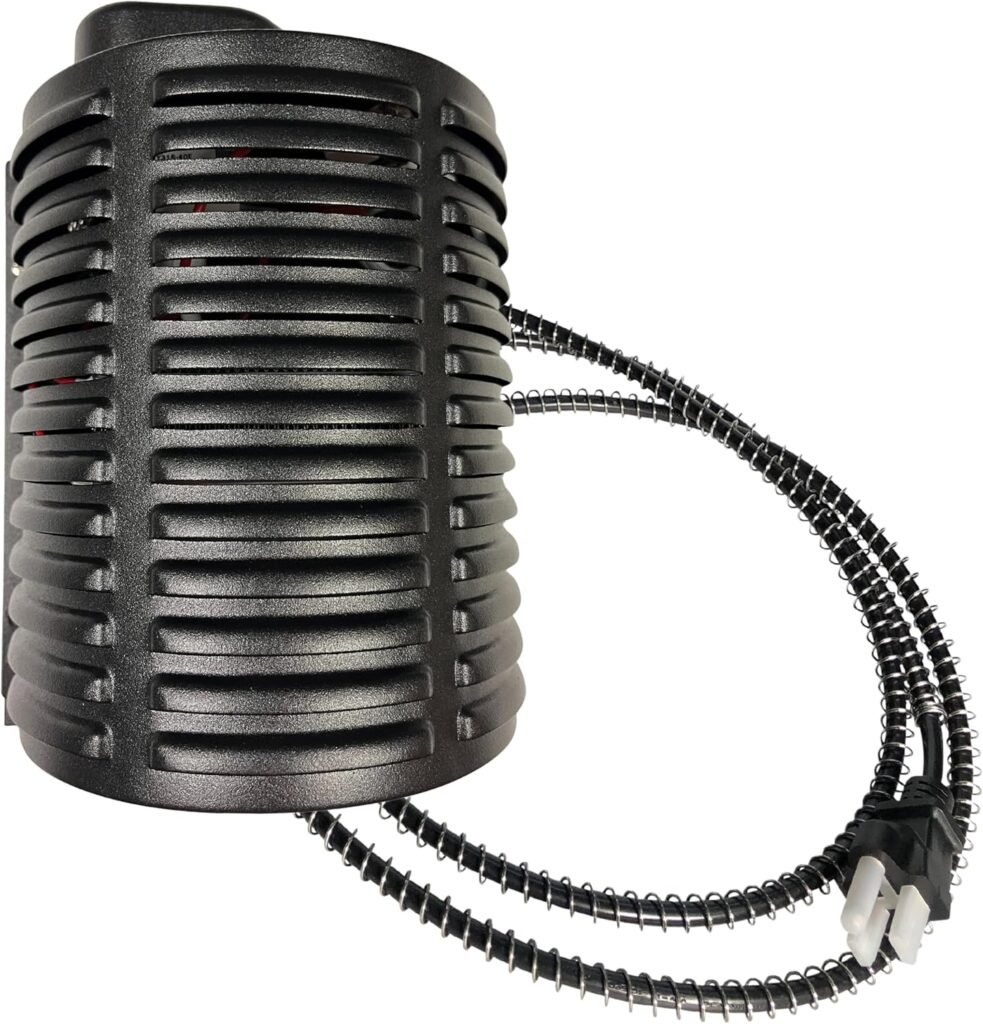
You’ll appreciate how straightforward the “by Akoma Pet Products | 400w Dog House Furnace with 10-Foot Cord | Installs in Minutes | Safe – Dry Heat | Won’t Burn Pets” is to use. It’s designed to give dry, consistent warmth to pet houses and kennels and to run efficiently with minimal intervention from you.
Key Specifications
This section gives you the core specs at a glance so you can quickly decide if the unit fits your setup. The details below reflect the main attributes that matter: wattage, coverage, cord length, and safety features.
| Feature | Details |
|---|---|
| Product name | by Akoma Pet Products |
| Wattage | 400 W heating element |
| Voltage | 110 V (standard household outlet) |
| Cord length | 10 feet, heavy-duty chew-resistant cord |
| Heat type | Safe, dry heat |
| Coverage | Up to ~100 cubic feet |
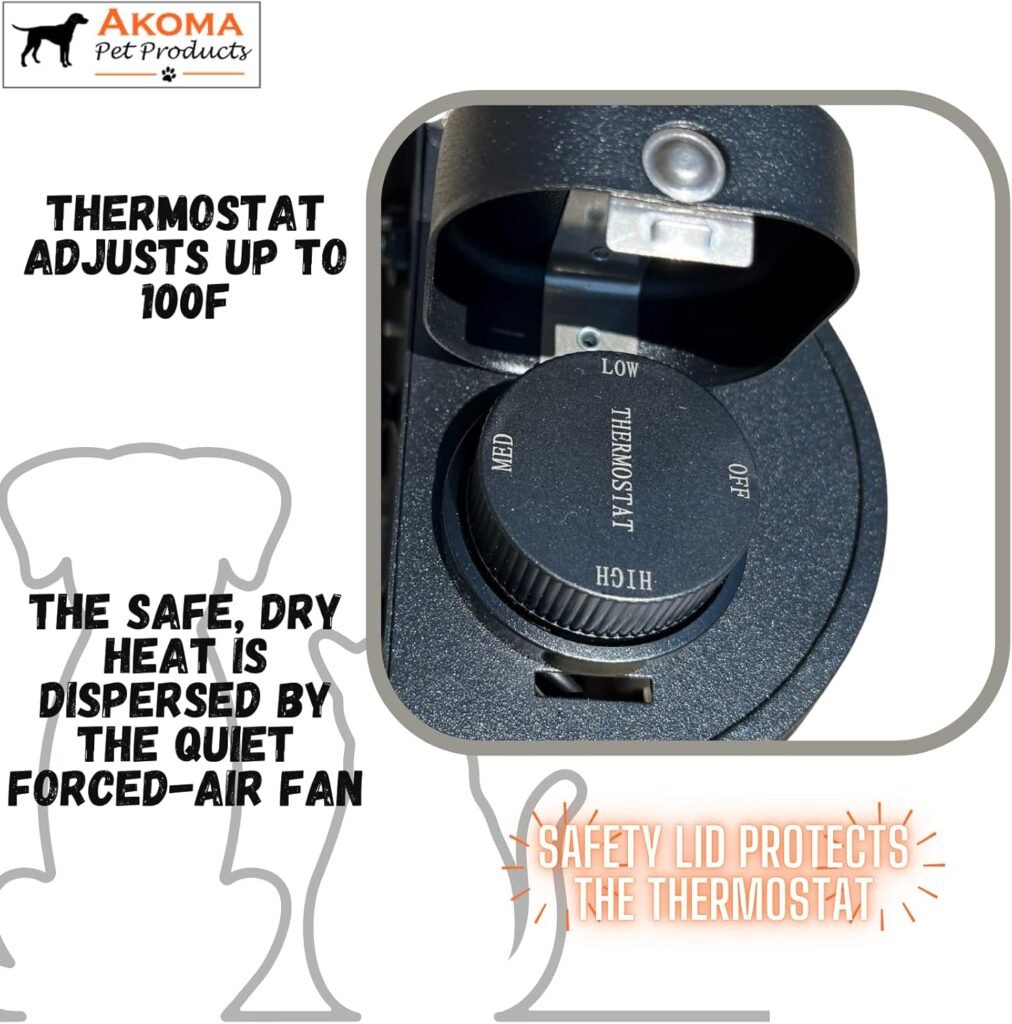
| Thermostat | Built-in thermostat control (set & forget) |
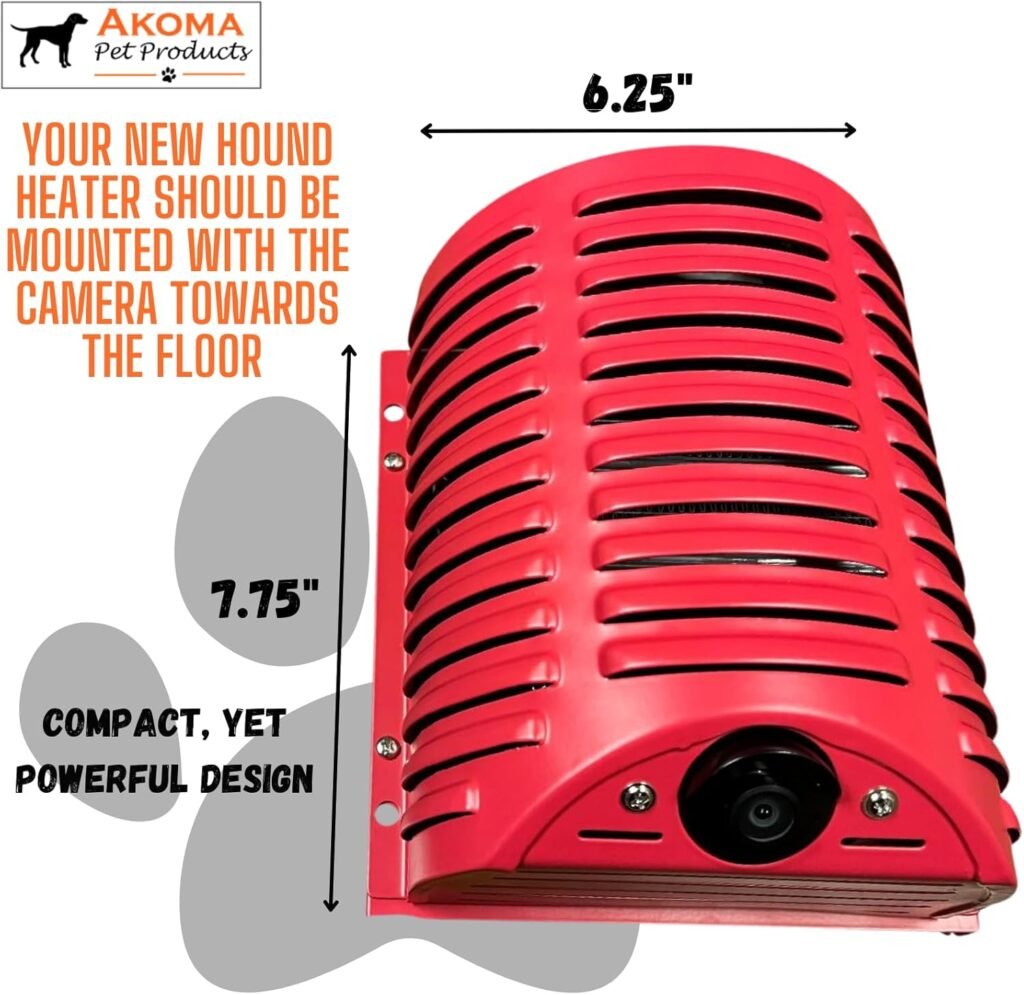
| Mounting | Installs in minutes with four screws or bolts; special bracket available for igloo houses |
| Safety features | Rounded corners, internal heat shield, chew-resistant cord |
| Durability | Rated for ~100,000 on/off cycles |
| Installation time | Minutes |
| Intended use | Dog houses, outdoor kennels, insulated shelters, garages |
| Manufacturer notes | Runs only when needed to save energy |
What You Get in the Box
When you open the package, you’ll find the heater unit, a built-in thermostat, and a power cord already attached so you don’t need extra hardware to get started. The box usually includes basic mounting hardware instructions; you’ll only need a few screws or bolts depending on your mounting surface.
Design and Build Quality
You’ll notice the unit is compact and purpose-built for pet houses rather than for indoor room heating. The rounded corners and tough construction show that the designer prioritized pet safety and durability.
Materials and Safety Features
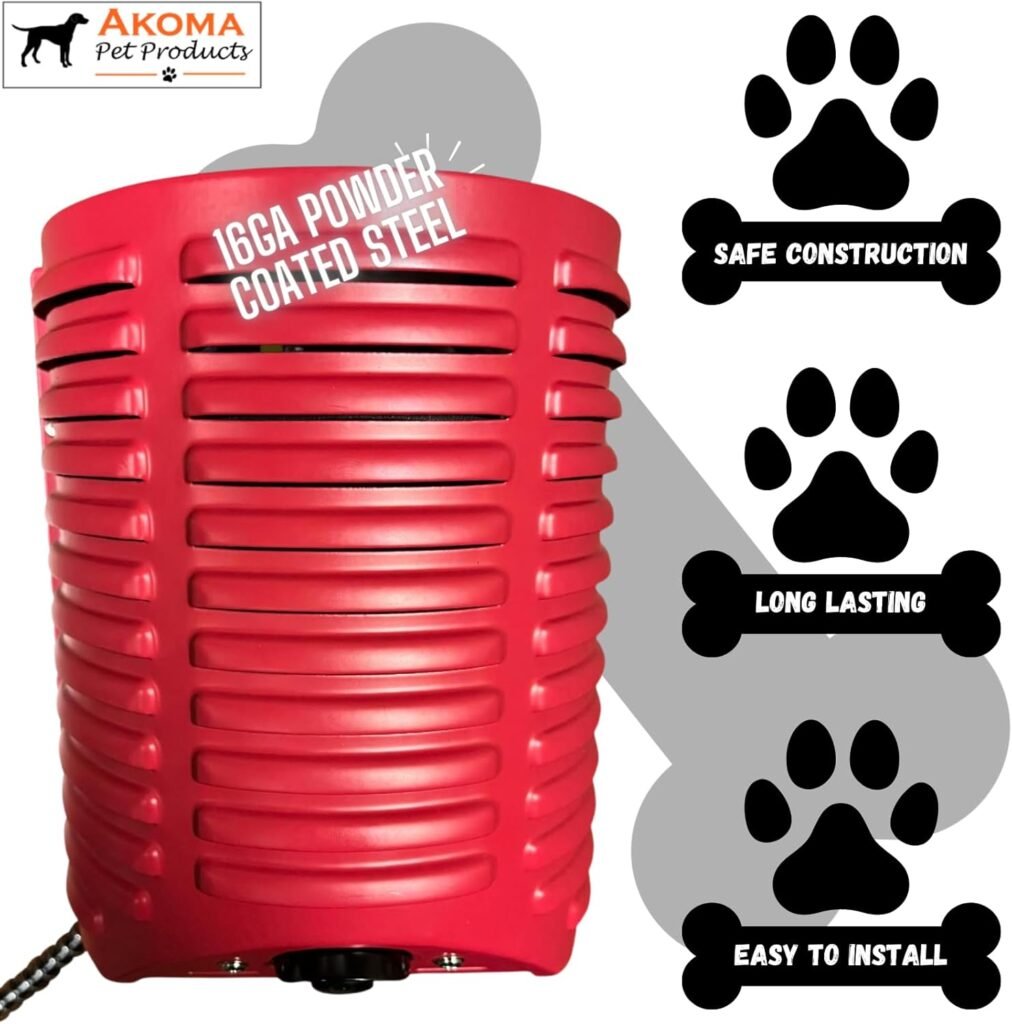
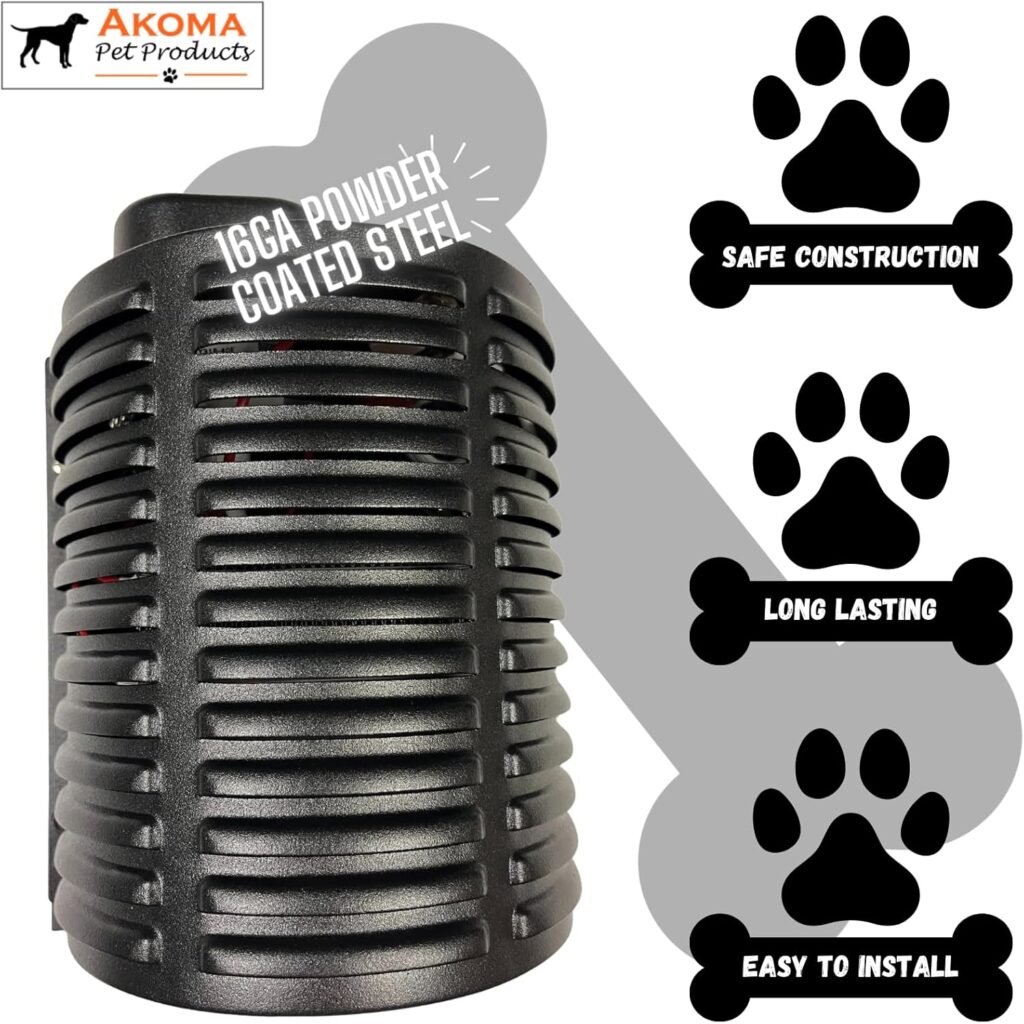
The Hound Heater Deluxe uses an internal heat shield to protect wiring and components from direct exposure to heat, which lowers the chance of failure and reduces risk to your pet. The materials are built to resist the typical wear and tear of outdoor use, and the rounded corners avoid sharp edges that could injure a curious nose.
Cord and Connector Details
The 10-foot cord is an important feature because it gives you flexibility in placing the heater relative to your house outlet. The cord is described as heavy-duty and chew-resistant, which helps reduce the risk of pets damaging it, but you should still position it or protect it where your pet can’t reach for maximum safety.
Heating Performance
You’ll find the heater’s job is to emit dry, moderate heat rather than trying to make a dog house feel like an indoor room. That approach is safer for animals and more energy-efficient for you.
Heating Capacity and Coverage
A 400W element is designed to heat up to approximately 100 cubic feet, which covers many standard dog houses and smaller kennels comfortably. If you’re unsure about the cubic feet of your dog house, measure length × width × height in feet and compare to the 100 cubic foot guideline to see if the heater is suitable.
Thermostat and Energy Use
The built-in thermostat is a major convenience because it allows the heater to run only when the temperature drops below a set threshold, which saves energy and prevents overheating. You’ll set your desired temperature and the unit will cycle on and off—rated for about 100,000 on/off cycles—so it’s designed for repeated use over many seasons.
Installation and Setup
The company emphasizes that installation takes only minutes, and you’ll likely agree once you see how few steps are required. You’ll need basic tools like a screwdriver or drill, and possibly a drill bit if you’re mounting into a solid surface.
Step-by-step Installation
- Choose a location on the inside wall of the dog house where the heater will be safe from direct contact with bedding but can heat the interior air effectively.
- Mark the four mounting holes using the unit as a template, then drill pilot holes if mounting to wood or another solid surface.
- Secure the heater with screws or bolts provided/compatible with your dog house wall. Make sure the unit is tight and level.
- Plug the 10-foot cord into a 110V outlet and set the thermostat to your desired temperature.
- Check that the cord routing is safe from chews and tripping hazards; you may want to use conduit or cord clips to secure it.
The whole process should only take a few minutes once you’re ready and have tools at hand.
Mounting Options and Tips
If you have an igloo-style dog house, you can use the special mounting bracket available to attach the heater securely and safely. For carved or custom houses, you may need to adapt mounting hardware or use an external bracket to get correct spacing and airflow. Always maintain the manufacturer-recommended clearances from bedding and walls to ensure effective and safe heating.
Safety Considerations
You’ll like that the product’s marketing emphasizes safety elements that matter for pets, including dry heat and a design meant to minimize burn risks. Still, your attentive placement and routine checks are crucial for continued safe operation.
Pet Safety and Burn Risk
The unit is advertised as “Won’t Burn Pets” because it emits dry heat and includes protective features; however, you should still avoid placing bedding directly against the heater and make sure the unit isn’t easily contacted by a paw or snout. Positioning the heater at the recommended height and adding guards or barriers can reduce contact risks further.
Chew Resistance and Weatherproofing
The heavy-duty cord is chew-resistant but not chew-proof—if your dog is a persistent chewer, you’ll want to add a cord guard or run the cord outside the pet’s reach. The unit is meant for pet house environments and outdoor use when mounted properly, but you should keep it sheltered from direct rain or heavy moisture to protect wiring longevity.
Maintenance and Longevity
You’ll find maintenance is minimal, but occasional checks will keep the unit running reliably season after season. Simple regular inspections prevent small problems from becoming larger ones.
Cleaning and Seasonal Storage
Wipe the exterior with a damp cloth periodically to remove dirt and hair, and clear any debris from around the inlet or outlet vents. If you’re storing it for the off-season, unplug it, remove it from the dog house, and store it in a cool, dry place to extend the heater’s life.
Expected Lifespan and Warranty
The heater’s 100,000 on/off cycle rating suggests many years of service under typical use patterns. Check the manufacturer’s warranty for details—while longevity is promising, warranties can vary, so you should know what’s covered and for how long.
Real-World Use Cases
This heater is ideal if you want to keep your dog comfortable in a cold climate without turning your whole garage or porch into a heated living space. You’ll appreciate how it targets the microclimate of your dog’s house, which is often all that’s needed.
For Outdoor Kennels and Igloos
When you mount the heater inside an insulated kennel or igloo, your dog can enjoy a warmer interior without the risks and expense of heating an entire outdoor area. The special bracket option makes igloo mounting straightforward and keeps the unit secure.
For Indoor Use and Garage Use
You can also use the heater in indoor spaces like a garage or mudroom where your dog sleeps, offering a dedicated, controlled source of heat. Just be mindful of airflow and avoid placing combustible materials close to the heater.
Pros and Cons
You’ll want to weigh the strengths against the limitations so you can decide whether this heater fits your needs.
Pros:
- Easy “plug and play” operation with a simple thermostat you can set and forget.
- Built for pet safety: internal heat shield, rounded corners, and chew-resistant cord.
- Energy-efficient cycling—runs only when needed, reducing wasted electricity.
- Quick installation takes minutes with minimal tools.
- Suitable for many small to mid-sized dog houses with a 100 cubic foot coverage.
Cons:
- 400W is intentionally modest; very large dog houses or cold climates might need additional insulation or supplemental heat.
- Cord is chew-resistant but not chew-proof—persistent chewers will require additional cord protection.
- Not a substitute for climate-controlled indoor heating in extreme cold for sensitive animals.
Comparison with Alternatives
You’ll want to compare this product to other common pet heating solutions so you can choose what’s best for your situation.
Heated Pads and Electric Blankets
Heated pads provide direct warmth to a bed surface and are great for older pets with joint issues, while this furnace heats the air inside the shelter. If your primary goal is warming the sleeping surface only, a heated pad might be better; if you want to warm the whole shelter air space, this furnace is the right option.
Insulated Dog Houses and Heat Lamps
Insulated dog houses help retain heat but don’t generate it; heat lamps generate radiant heat but carry burn and fire risks if bedding touches them. This 400W furnace offers dry, safer ambient heat with lower burn risk than direct lamps, while insulation plus this unit gives you the most efficient setup.
Energy Cost and Efficiency
You’ll likely want to estimate how much this heater will add to your electricity bill. It helps to understand run-time assumptions and how the thermostat reduces energy use.
A 400W heater running continuously for one hour uses 0.4 kWh. If your electricity cost is $0.15 per kWh:
- Continuous running for 24 hours would cost about 0.4 kW × 24 × $0.15 = $1.44 per day.
- With the thermostat cycling, average daily usage will be much lower; for example, if it runs 25% of the time, you’d pay around $0.36 per day.
- Seasonal costs vary widely; you can expect to pay a few dollars per week during cold months depending on thermostat settings and outdoor temperature.
You should also factor in insulation: the better the insulation of the dog house, the less the heater needs to run, and the lower your energy costs.
Troubleshooting
You’ll find most issues are easy to resolve with basic checks and common-sense fixes.
Common Issues and Fixes
- Heater doesn’t turn on: check the outlet and the cord; try another known-good outlet to verify power.
- Heater cycles too frequently: verify thermostat placement isn’t near a draft or heat source; reposition and test again.
- Excessive odor or dust when first turned on: run the heater briefly outdoors or in a ventilated area to burn off manufacturing residue, and vacuum out any collected dust before indoor use.
If you run into persistent electrical issues, stop using the unit and consult a qualified electrician or contact manufacturer support.
Buying Guide and What to Consider
You’ll want to match the heater’s strengths to your pet’s needs and the environment it will be used in. The main considerations are house size, insulation, pet behavior, and available outlet placement.
Questions to Ask Before Buying
- How large is your dog house in cubic feet? Ensure it’s within the heater’s ~100 cubic foot range.
- Is the dog a chewer? If so, what will you do to protect the cord?
- How severe are your winters? In extremely cold climates, you may need extra insulation or a supplemental heating strategy.
- Is there an accessible outlet within 10 feet? If not, plan for safe extension cord use or alternate placement.
Answering these will steer you toward the correct configuration and reduce the chance of surprises.
Customer Experience and Reviews Summary
You’ll probably see that many customers praise the Hound Heater Deluxe for its simplicity and safety-focused design, particularly appreciating the “set it and forget it” thermostat behavior. Complaints, when present, tend to center on cord protection concerns or the need for stronger heating in very large or poorly insulated shelters.
Most users mention easy installation and noticeable improvements in pet comfort, with owners of older or arthritic pets reporting that their animals seem more comfortable and active in cold weather.
Final Verdict
If you want a targeted, safe way to warm your dog’s shelter without heating an entire space, this 400W dog house furnace is a sensible choice you can install quickly. You’ll get a low-maintenance, energy-aware solution that prioritizes pet safety while offering reliable warmth for most small to mid-sized shelters.
Tips for Best Results
You’ll maximize comfort and safety by combining this heater with good insulation practices and sensible placement: keep bedding away from the heater, protect the cord, and check the heater periodically. If your dog is small, elderly, or has a thin coat, consider extra bedding or a heated pad as a supplement to provide a warm sleeping surface.
Frequently Asked Questions (FAQ)
You’ll find answers to common practical questions here so you can decide with confidence.
Q: Can the heater be used in a plastic igloo house? A: Yes, with the special mounting bracket it can be installed on igloo-type houses. Ensure proper clearance and follow the manufacturer mounting instructions.
Q: Will the heater overheat if bedding touches it? A: The unit is designed with internal shielding and rounded corners to reduce burn risk, but you should avoid placing bedding in direct contact with the heater. Keep a small clearance to maintain airflow and safety.
Q: How noisy is the unit? A: The heater is primarily a passive heating element with minimal noise. You might hear occasional clicks from the thermostat cycling, but it’s quiet enough not to disturb most pets.
Q: Is it weatherproof? A: The case is designed for pet house environments but it’s best used in a sheltered location to avoid direct exposure to heavy rain or snow. Proper mounting and sheltering will prolong its life.
Q: Do I need to unplug it when not in use? A: For safety and to conserve energy outside of cold months, unplugging and storing the heater is a good practice, especially if the dog house will be empty or if you’re storing the unit.
Wrap-Up Checklist Before You Buy
You’ll want to confirm a few final things before purchasing: ensure your dog house volume is within the coverage, confirm an outlet is available or can be safely arranged, check if your pet chews cords and plan protections, and consider insulation upgrades to reduce long-term operating costs.
You now have a clear picture of how the “by Akoma Pet Products | 400w Dog House Furnace with 10-Foot Cord | Installs in Minutes | Safe – Dry Heat | Won’t Burn Pets” works and what to expect from it in real-world use. With basic installation and sensible precautions, you’ll be giving your pet a safer, warmer shelter with minimal effort.
Disclosure: As an Amazon Associate, I earn from qualifying purchases.