PetArmor 7 Way De-Wormer for Dogs review
Worried your dog might have worms and want a straightforward way to treat them at home?

Quick Product Snapshot
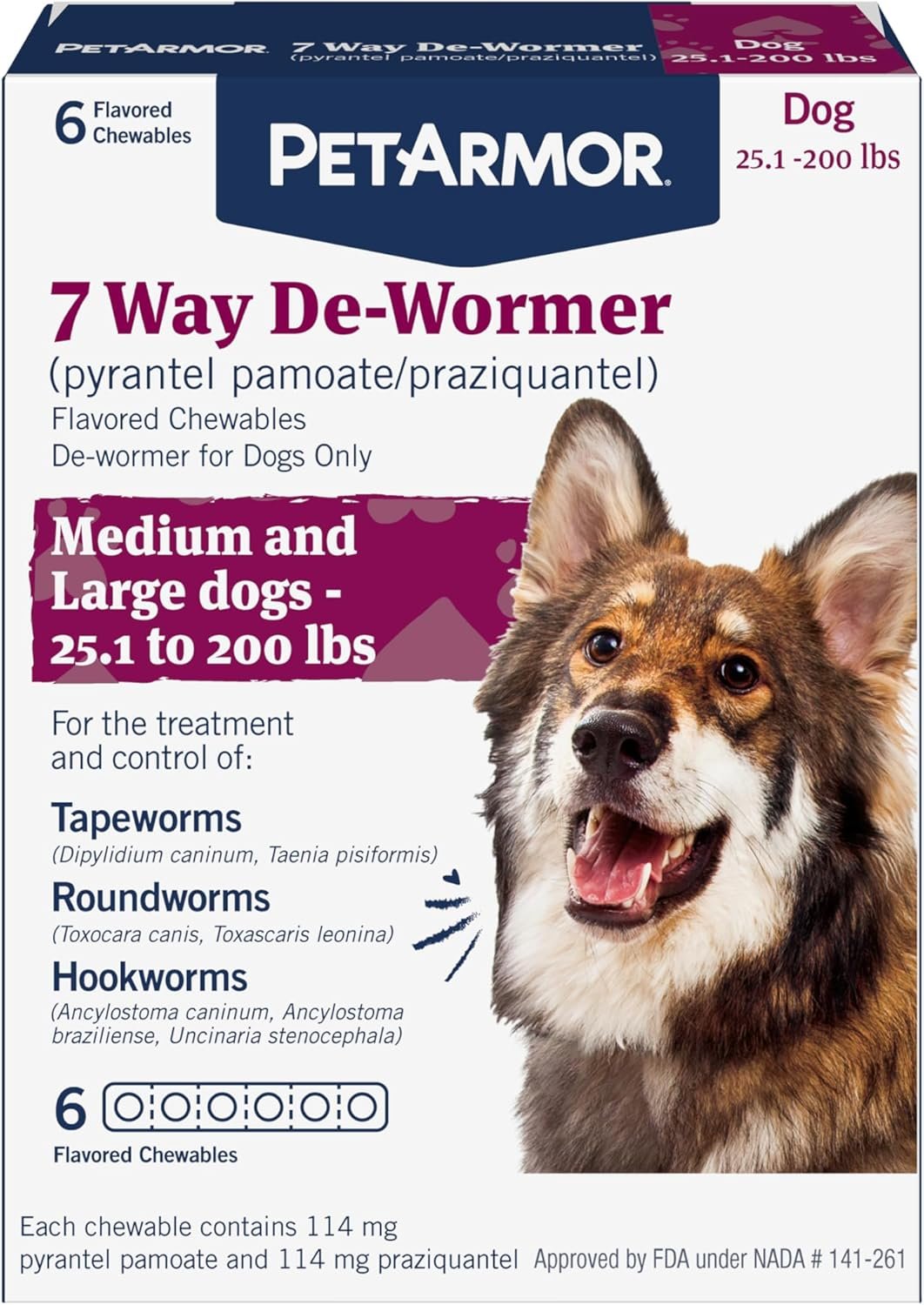
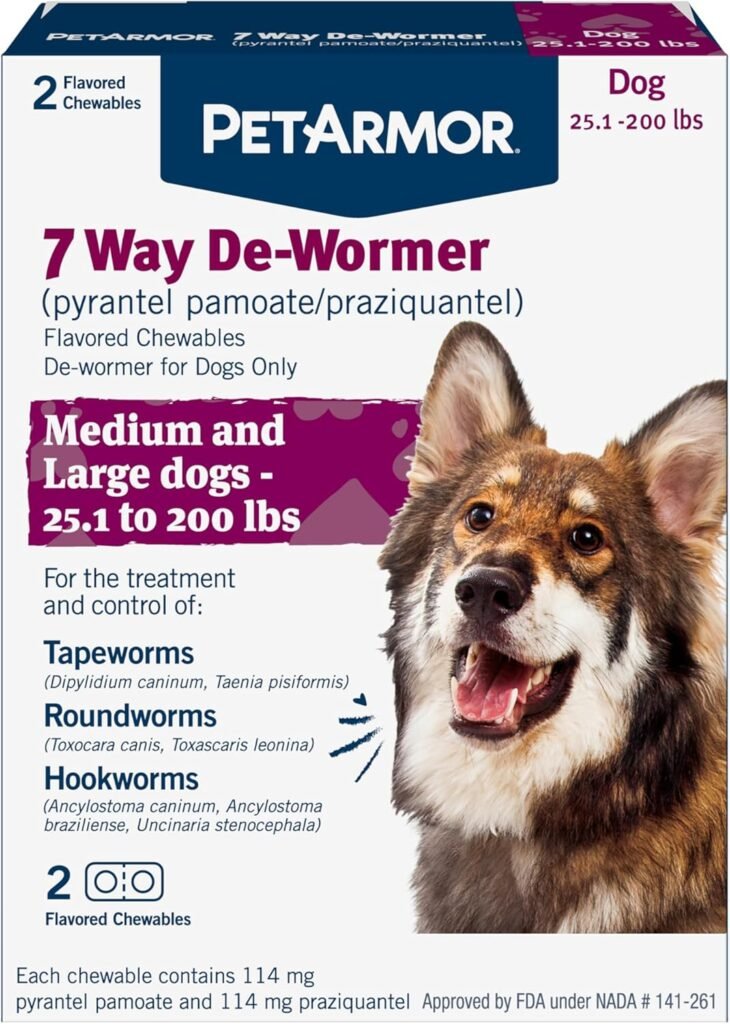
You’ll find this product under the full name: PetArmor 7 Way De-Wormer for Dogs, Oral Treatment for Tapeworm, Roundworm & Hookworm in Large Dogs & Puppies (Over 25 lbs), Worm Remover (Praziquantel & Pyrantel Pamoate), 2 Flavored Chewables. This section gives you a short, clear summary so you know what you’re dealing with before reading the full review.
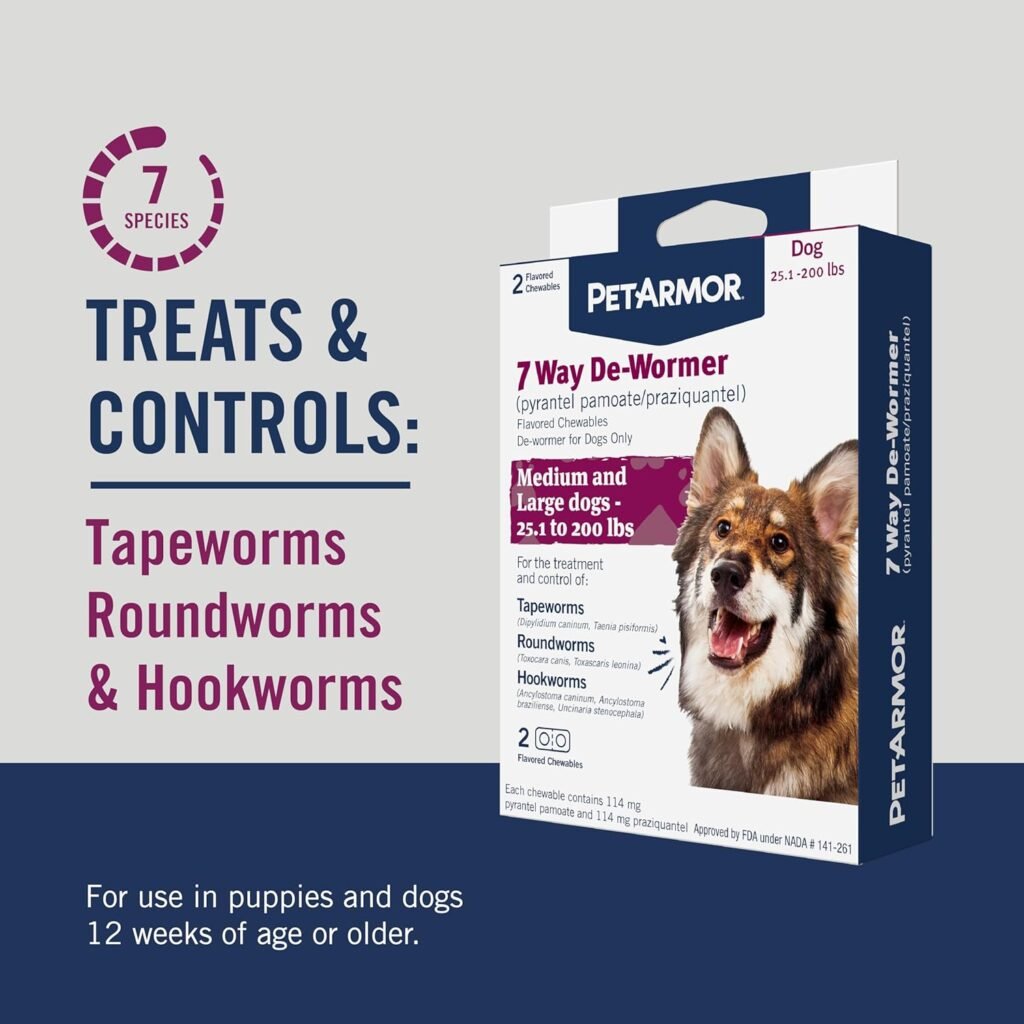
These chewables are formulated to treat multiple common intestinal parasites and are intended for puppies 12 weeks or older and large dogs 25.1 to 200 lbs. The chewable format makes administration easier for many dogs, but you’ll want to watch your dog for a few minutes to make sure the dose is actually eaten.
What the Product Claims
You’ll see claims that it treats seven species of worms: two tapeworms, two roundworms, and three types of hookworms. The active ingredients are praziquantel and pyrantel pamoate, which are widely used in veterinary dewormers. The product positions itself as vet-quality and convenient for at-home use.
You should still consult your veterinarian for complicated cases or if symptoms persist after treatment, as fecal testing and follow-up might be needed.
Ingredients and How They Work
Understanding the active ingredients helps you know why this product targets specific worms and what to expect after treatment.
Praziquantel and pyrantel pamoate are the two active ingredients in this chewable. Praziquantel is effective against tapeworms by causing paralysis and dissolution of the worm’s outer layer, while pyrantel pamoate is effective against many roundworms and hookworms by paralyzing the parasites so they’re expelled from the dog’s digestive tract.
You’ll want to know that these ingredients are standard in many over-the-counter and prescription dewormers, so their effectiveness is well established when used correctly.
Active Ingredient Breakdown
This subtitle explains more clearly how each active ingredient functions and why they’re combined.
Praziquantel targets tapeworms specifically and works by disrupting parasite cell membranes, causing them to be digested by the dog’s own digestive processes. Pyrantel pamoate acts as a neuromuscular blocking agent for roundworms and hookworms, resulting in paralysis and expulsion.
The combination broadens the spectrum so you’re treating more types of parasites in a single dose rather than needing multiple medications.
Who It’s For (Indications)
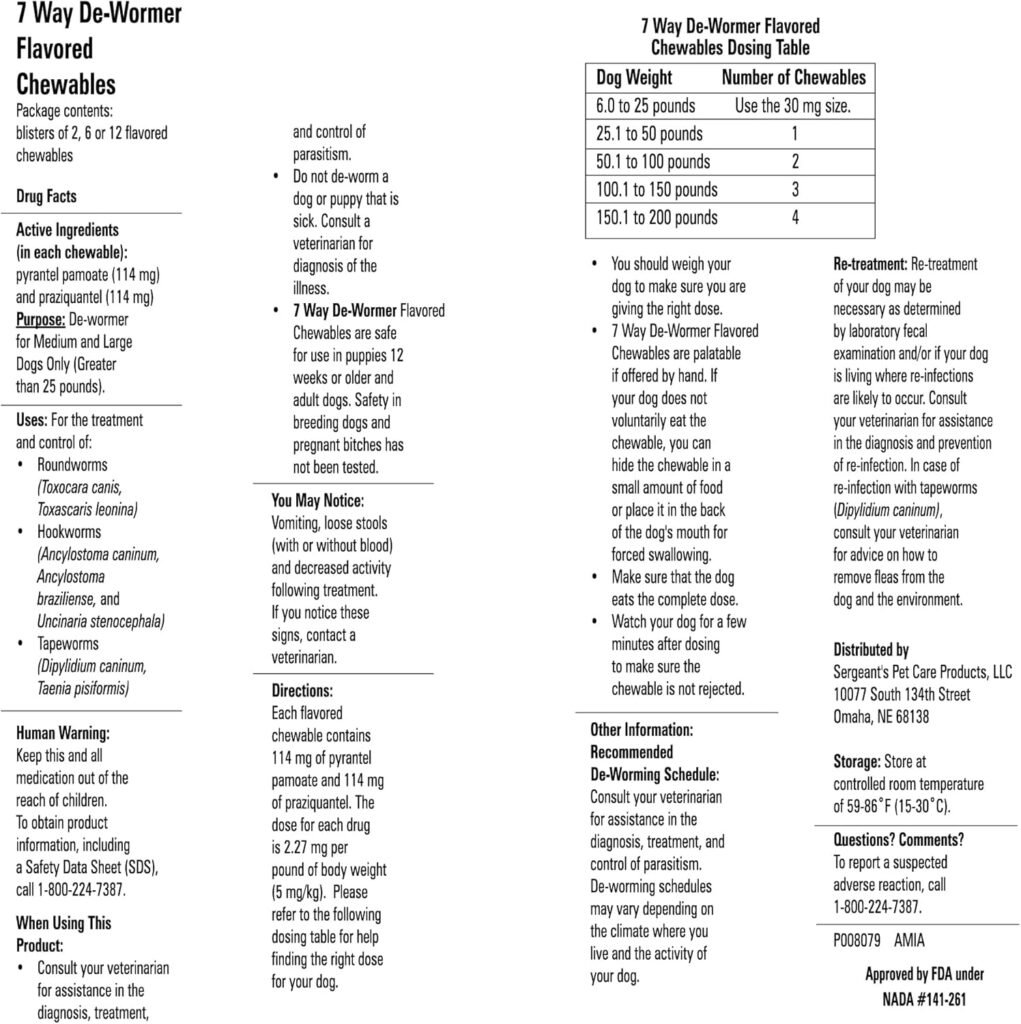
This product is intended for puppies and large dogs—specifically puppies 12 weeks or older and dogs weighing between 25.1 and 200 lbs. If your dog is outside that weight range or younger than 12 weeks, you’ll need a different product or veterinary guidance.
You’ll also want to consider whether your dog has any preexisting conditions, is pregnant or nursing, or is on other medications; your veterinarian can advise if PetArmor 7 Way is safe for your specific dog.
When to Use It
You’ll reach for this product when you have evidence or reasonable suspicion of intestinal worms—signs like visible worms in stool, scooting, persistent diarrhea, increased appetite with weight loss, or a vet diagnosis from fecal testing. It’s also commonly used as a one-time treatment after a confirmed infestation or as part of a broader parasite control strategy.
If you’re treating based on signs alone, it’s smart to follow up with your vet to confirm the infection type and check if retreatment or additional testing is necessary.
Dosage and Administration
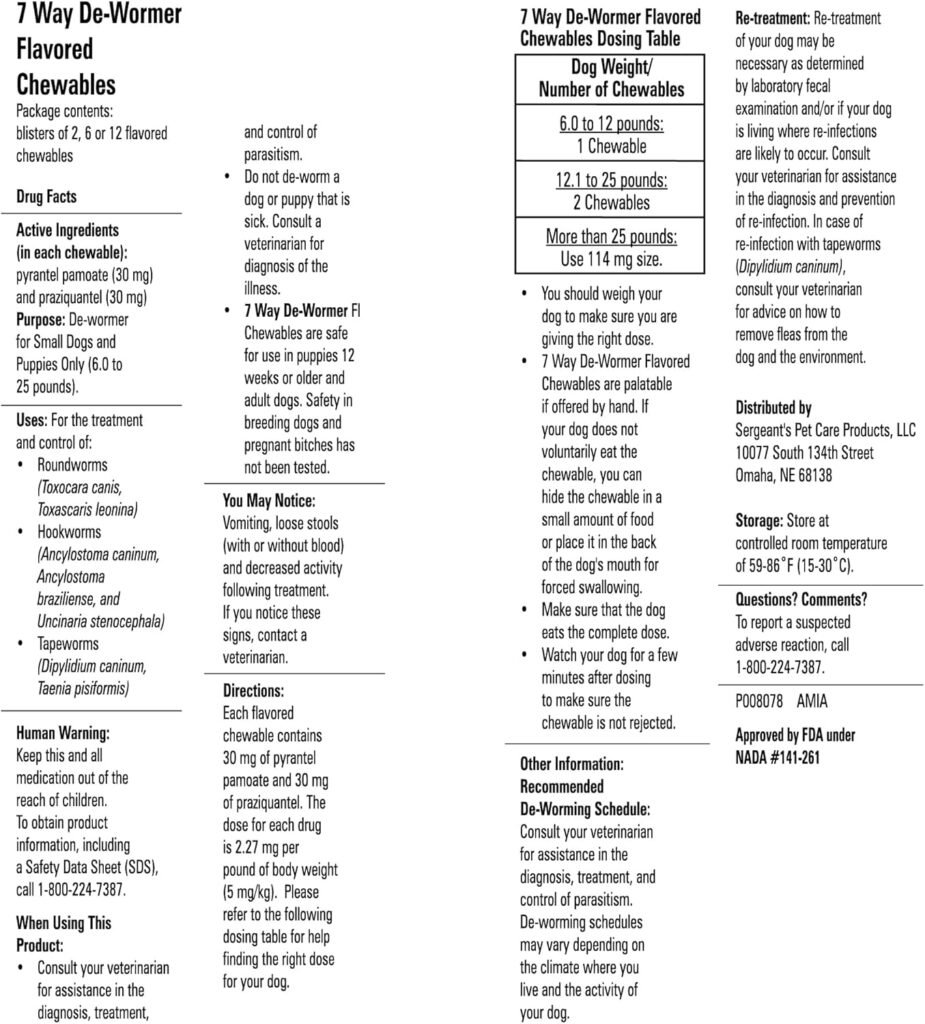
Proper dosing is essential to get the full benefit and avoid under- or overdosing. The chewables are sized for large dogs and puppies over 25 lbs, with the product generally used as a single dose for many infestations. Always follow label instructions and weigh your dog accurately to match the correct dose.
After giving the chewable, watch your dog for a few minutes to ensure the full dose is eaten and not rejected. If the dog refuses or spits it out, you’ll need to re-dose according to label instructions or consult your vet.
Step-by-Step Dosing Tips
These tips help you give the treatment in a way that reduces stress for both you and your dog. Offer the chewable as a treat or hide it in a small amount of food if necessary, but don’t smother the dose in a large meal where it might not be eaten completely. If your dog is fussy, break the chewable into very small pieces to hand-feed it or mix with a little canned food.
Make sure you keep a record of when you dosed, observe stool changes, and note any side effects to report to your vet.
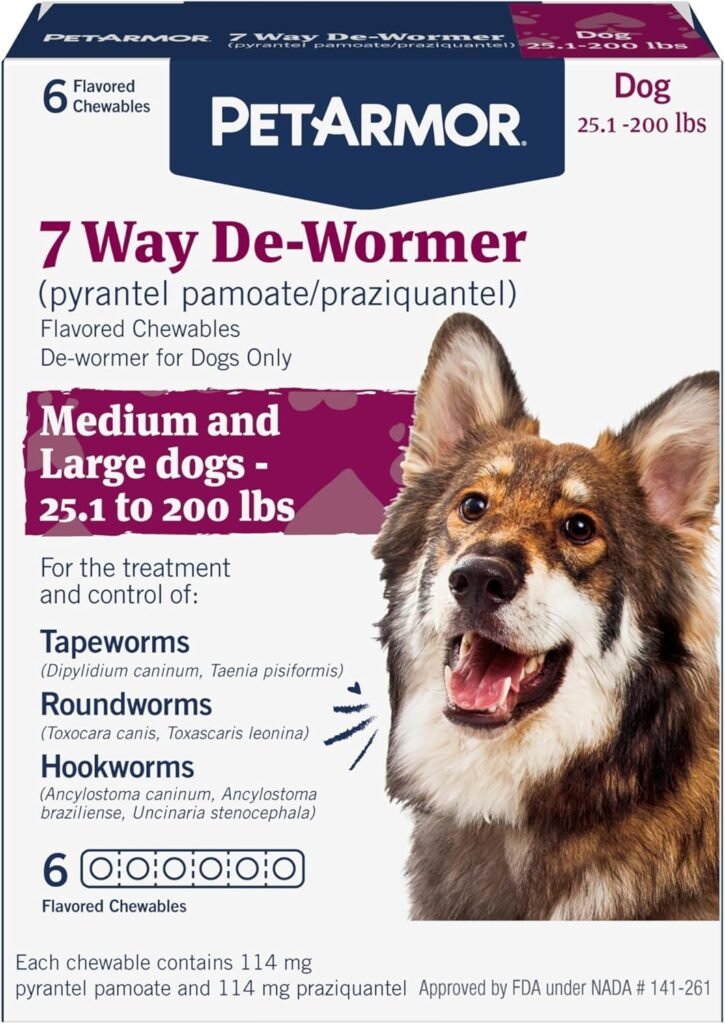
Table: Key Product Information at a Glance
This table gives you a concise reference for the most important details. Use it to compare quickly with other treatments or to confirm dosing info before you purchase or administer.
| Feature | Details |
|---|---|
| Product Name | PetArmor 7 Way De-Wormer for Dogs, Oral Treatment for Tapeworm, Roundworm & Hookworm in Large Dogs & Puppies (Over 25 lbs), Worm Remover (Praziquantel & Pyrantel Pamoate), 2 Flavored Chewables |
| Active Ingredients | Praziquantel, Pyrantel Pamoate |
| Target Parasites | 2 tapeworms, 2 roundworms, 3 types of hookworms (broad-spectrum) |
| Form | Flavored chewable tablets (2 chewables per package) |
| Suitable Age | Puppies 12 weeks or older |
| Weight Range | 25.1 to 200 lbs |
| Administration | Oral, single dose (follow label instructions) |
| Follow-up | Vet recommended for fecal test if retreatment needed |
| Storage | Store per label—usually cool, dry place |
You’ll find this table useful when you’re checking compatibility with your dog’s needs or when comparing products quickly.
Effectiveness and Onset of Action
You’ll likely want to know how quickly the dewormer works and how effective it is against each type of worm. Generally, pyrantel pamoate acts quickly against roundworms and hookworms, often producing expelled worms in stool within a day or two. Praziquantel takes effect on tapeworms and should lead to elimination within a short period after dosing.
Effectiveness can vary based on parasite load, co-infections, and whether the treatment is administered correctly and at the proper dose. That’s why vet follow-up is recommended if symptoms persist.
Expected Results and Timeline
You can often see worms or worm segments in stool within 24–72 hours after treatment, especially for roundworms and hookworms. Tapeworm segments may appear as small rice-like pieces in feces or around the dog’s rear. If you don’t see improvement in symptoms or if your dog’s health worsens, contact your veterinarian promptly.
Keep in mind that re-infestation is possible, so prevention measures and environmental control are as important as treating the dog.
Safety, Side Effects, and Precautions
You should be aware of possible side effects and safety concerns before treating your dog. Common mild side effects can include temporary diarrhea, vomiting, lethargy, or decreased appetite. Severe reactions are rare but possible, including allergic reactions.
Do not use the product on puppies younger than 12 weeks, and consult your vet if your dog is pregnant, nursing, debilitated, or on other medications. If you notice significant adverse reactions, stop treatment and contact your veterinarian immediately.
When to Call the Vet
If your dog shows signs of severe vomiting, persistent diarrhea, weakness, unusual behavior, or signs of allergic reaction such as facial swelling or difficulty breathing, you must seek veterinary care right away. Also call your vet if the deworming does not reduce symptoms within a reasonable timeframe or if you suspect a heavy infestation.
Your veterinarian will provide guidance on supportive care and whether additional diagnostic tests or treatments are necessary.
Pros and Cons
Knowing the strengths and limitations helps you decide if this product fits your needs.
Pros:
- Broad-spectrum coverage for common intestinal parasites.
- Chewable format often easier to administer than pills.
- Suitable for large dogs and puppies over 12 weeks.
- Active ingredients are well-established and widely used.
Cons:
- Only one dose provided per package (2 chewables, depending on the product pack size), which may not be enough for multi-dog households or repeated treatments.
- Not a substitute for veterinary diagnosis and follow-up testing.
- Some dogs may refuse the chewable or partially eat it.
- Does not address all internal or external parasites—tick and flea prevention require different products.
You’ll want to weigh these factors against your dog’s health history and lifestyle before choosing this dewormer.
Realistic Expectations
You should treat this product as a convenient, accessible option for treating common intestinal worms, but not as a replacement for proper veterinary care when serious issues are present. For long-term parasite control or complex cases, you’ll need a comprehensive plan from your vet.
Expect to use this as part of an overall parasite control strategy, including environment cleaning, fecal testing, and possibly periodic retreatment.
Administration Tips to Make It Easier
These tips can help you give the chewable cleanly, calmly, and successfully so the dog gets the full dose the first time.
Try offering the chewable as a treat first to see if your dog readily accepts it. If your dog refuses, hide the chewable in a small, highly palatable piece of food such as a bit of canned wet food or a cheese cube. If your dog is still hesitant, hand-feeding the pieces can help ensure full ingestion.
Make sure you’re watching closely after dosing so you can confirm the chewable was swallowed and not chewed and spat out.
Managing Picky Eaters
If your dog is a picky eater, break the chewable into smaller pieces and present them one at a time. You can also use training treats to encourage cooperation—give a couple of small training treats before and after dosing to create a positive association.
Avoid using a large meal to mask the dose, since the chewable may not be fully eaten and you might inadvertently underdose.
Storage and Shelf Life
Proper storage keeps the active ingredients effective and safe to use. Store the chewables in a cool, dry place away from direct sunlight, heat, and moisture. Keep them out of reach of children and pets.
Check the expiration date before use, and never use expired products. If you’re uncertain about the product’s integrity after long storage, consult your veterinarian or the product manufacturer.
Disposal Considerations
If the product is expired or you have leftover tablets that you don’t plan to use, follow local regulations for medication disposal. Don’t simply flush them—many communities have medication take-back programs or advice for safe disposal.
You should also keep the original packaging until use to reference dosing instructions and expiration dates.
Comparing to Prescription Dewormers
You may be wondering how this over-the-counter option stacks up against prescription dewormers. Prescription products may offer different active ingredients, broader spectrums, or treatments for parasites not covered by over-the-counter options.
If your dog has a severe infestation, unusual parasite species, or other health problems, your veterinarian may prefer a prescription drug for targeted treatment and follow-up care. Over-the-counter products like PetArmor 7 Way are useful for common parasites and for dogs who need a straightforward home treatment when vet access is limited.
When to Choose a Prescription
You should opt for prescription dewormers if your vet finds unusual or resistant parasites, if your dog is very young/old/ill, or if the initial over-the-counter treatment does not work. Prescription products often come with stronger dosages or different mechanisms of action tailored to specific infestations.
Your veterinarian will advise based on fecal tests and overall health assessment.
Signs of Successful Treatment and Follow-up
After you give the chewable, you’ll want to monitor your dog’s stool, behavior, and appetite. Signs of successful treatment include the presence of expelled worms, reduction of diarrhea, improved energy, and gradual weight gain if weight loss was present.
Follow up with a fecal test if recommended by your vet to confirm all parasites have been eliminated. If symptoms persist or worsen, schedule a veterinary visit for further evaluation.
When to Retreat
Retreatment may be recommended in certain cases—particularly if eggs are still present in fecal testing or if reinfestation is likely due to environmental exposure. Your vet can help you determine the timing and need for retreatment based on test results and the type of parasite involved.
For many parasites, a single dose is sufficient; for others, a second dose or a different agent may be required.
Environmental Control and Prevention
Treating the dog is only part of effective parasite control. You’ll need to address environmental sources of infection to reduce reinfestation risk. Regularly clean up feces in your yard, maintain good sanitation, and wash bedding and toys.
Use regular preventive medications, flea control, and limit access to areas where infected animals might frequent. Dogs that hunt or scavenge are at higher risk and may need more frequent monitoring and treatment.
Tips for Reducing Reinfection
Remove feces from the yard promptly, practice good hand hygiene after handling pets, and dewhelm new dogs or puppies before introducing them to the household. If you have multiple dogs, consider treating all of them simultaneously to prevent cross-infection.
Avoid letting your dog eat raw or undercooked meat or offal, and prevent them from scavenging wildlife that can carry parasites.
Price and Value
You’ll want to consider cost, especially if you have multiple dogs or expect to treat periodically. Over-the-counter dewormers like this often cost less than multiple veterinary visits, but if you need ongoing care or vet testing, those costs add up.
The value comes from convenience and the broad-spectrum coverage for common parasites, but remember this product doesn’t replace professional veterinary diagnostics when needed.
Is It Worth Buying?
If you need an accessible, recognized active-ingredient dewormer for a single dosing event and your dog fits the product’s age and weight specifications, this product can be a cost-effective choice. If you suspect complicated infections or have a high-risk dog, the value comes from pairing this treatment with veterinary guidance.
Assess your dog’s history and household needs before deciding whether to buy this over-the-counter option or pursue an in-clinic solution.
Common Questions (FAQ)
You likely have specific questions—this FAQ aims to answer the most common ones plainly and directly.
Q: Can I use this if my dog weighs exactly 25 lbs? A: The product is labeled for dogs over 25 lbs. For a dog at exactly 25 lbs, consult your veterinarian or choose a product specifically labeled for that weight.
Q: How often can I give this product? A: Follow the label instructions and your vet’s guidance. Frequent unsupervised dosing isn’t recommended; vets may suggest retreatment only after fecal tests or specific intervals for certain parasites.
Q: Is it safe for pregnant or nursing dogs? A: Consult your veterinarian before treating pregnant or nursing dogs. Safety depends on timing and specific health considerations.
Q: Will this protect against heartworms? A: No. This product is for intestinal parasites only and does not prevent heartworms, which require a different preventive medication.
You should always keep written label directions at hand and verify any unclear instructions with a veterinary professional.
Customer Experience and Anecdotes
Many pet owners report positive experiences with chewable dewormers: dogs often accept the treat-like tablets, and owners notice improved stool and energy within a few days. Some report seeing expelled worms in the stool shortly after dosing. However, a subset of users report difficulty getting picky dogs to accept the chewable or needing a vet-administered alternative.
You should treat anecdotal reports as useful but not definitive—individual responses vary based on parasite load and the dog’s health.
What Owners Commonly Say
Owners commonly praise the convenience and palatability of chewables and appreciate the broad-spectrum coverage. Negative comments often revolve around single-dose packaging and the need for vet follow-up when treatment doesn’t fully resolve symptoms.
If you rely on user reviews, balance them with professional veterinary advice and consider your dog’s specific needs.
Final Thoughts and Recommendation
You’ll find PetArmor 7 Way De-Wormer for Dogs to be a practical, broad-spectrum over-the-counter option for treating common intestinal parasites in puppies (12 weeks and older) and large dogs (25.1–200 lbs). The chewable format and established active ingredients make it a convenient choice for many owners.
You should still consult your veterinarian for persistent symptoms, severe infestations, or any health concerns. Use this product responsibly, follow label directions, monitor your dog after dosing, and pair treatment with environmental control and preventive strategies for the best outcome.
Quick Reminders Before You Use It
Confirm your dog meets the age and weight requirements, read and follow the label instructions exactly, watch your dog to make sure the dose is eaten, and follow up with your vet if symptoms persist or if you suspect a heavy infestation.
If you stick to these steps, you’ll be better positioned to treat intestinal worms effectively while keeping your dog safe and comfortable.
Disclosure: As an Amazon Associate, I earn from qualifying purchases.