PetArmor 7 Way De-Wormer review
Are you looking for a dewormer that’s easy to give, works on multiple types of intestinal worms, and fits both large dogs and older puppies?

Overview of the PetArmor 7 Way De-Wormer for Dogs
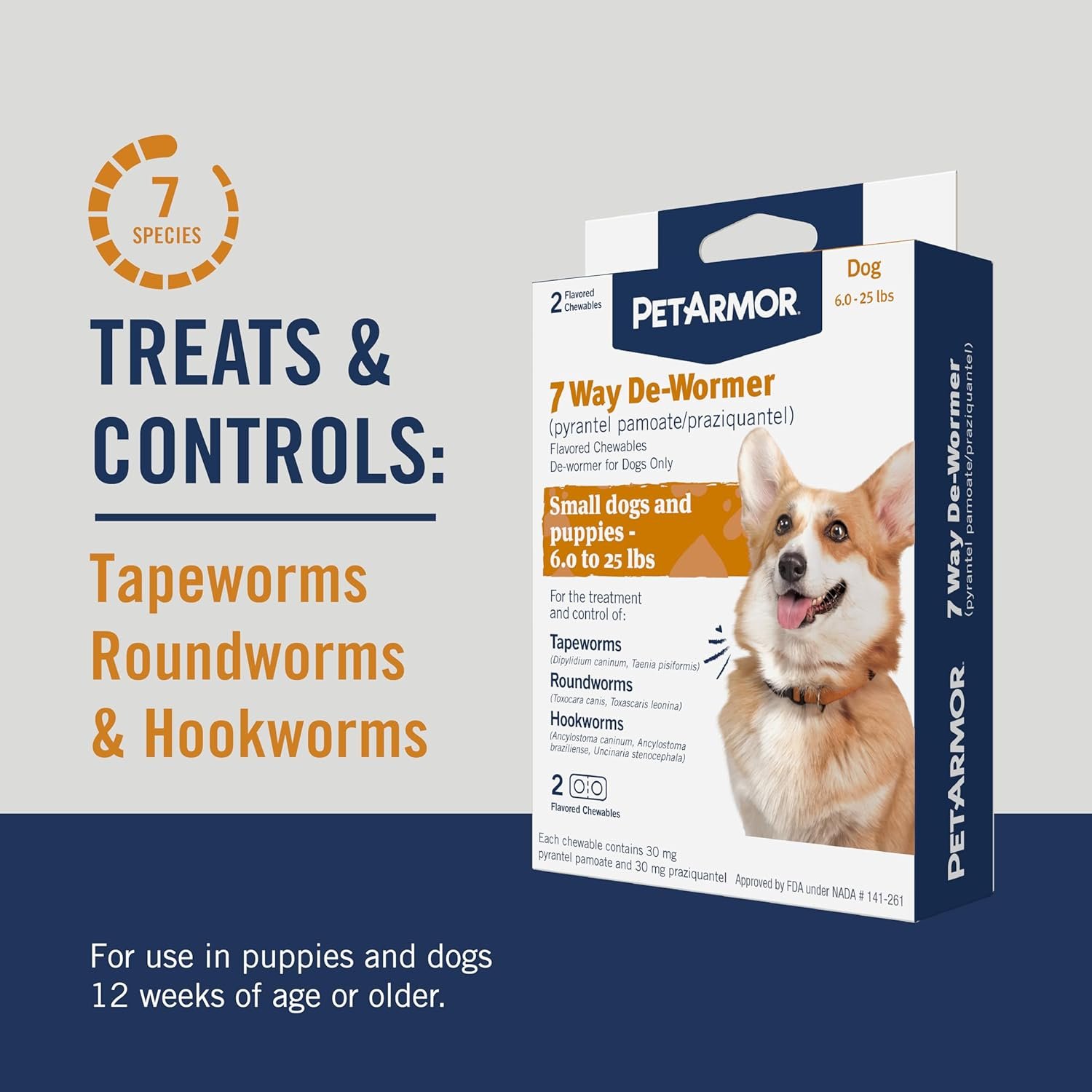
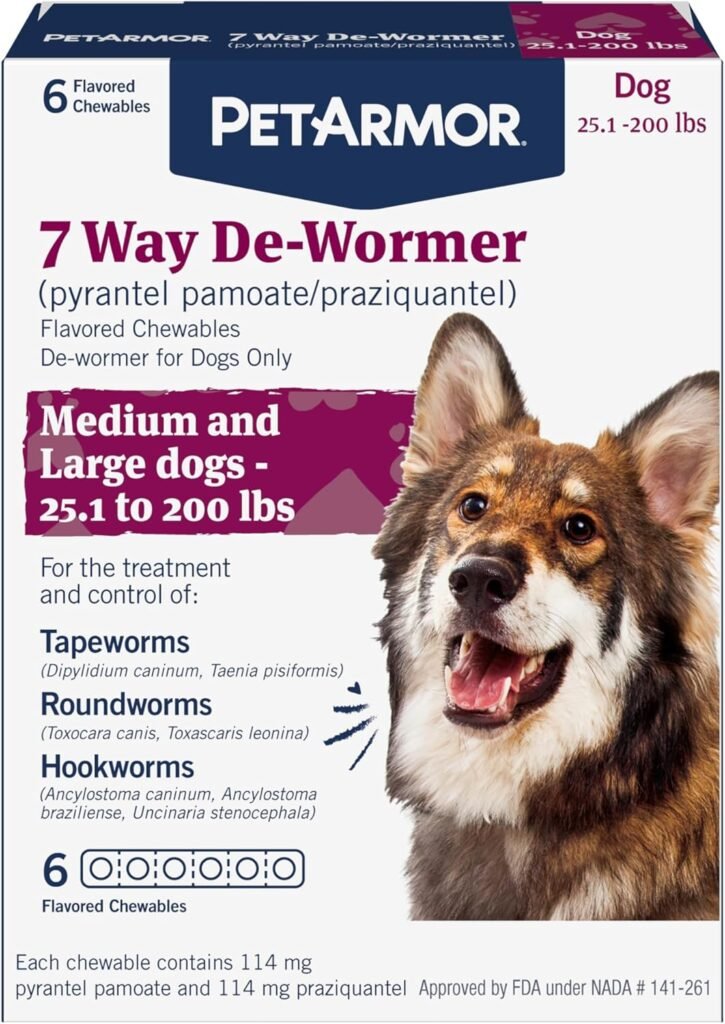
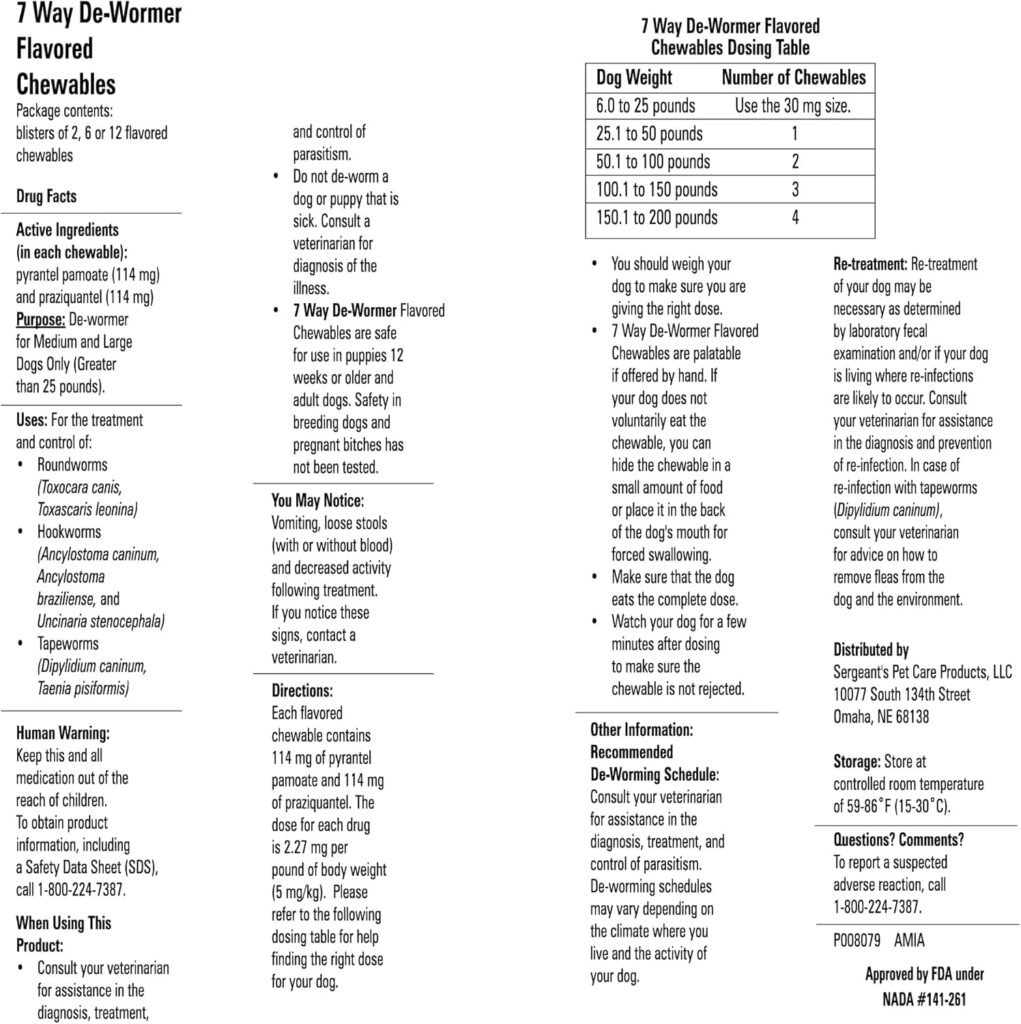
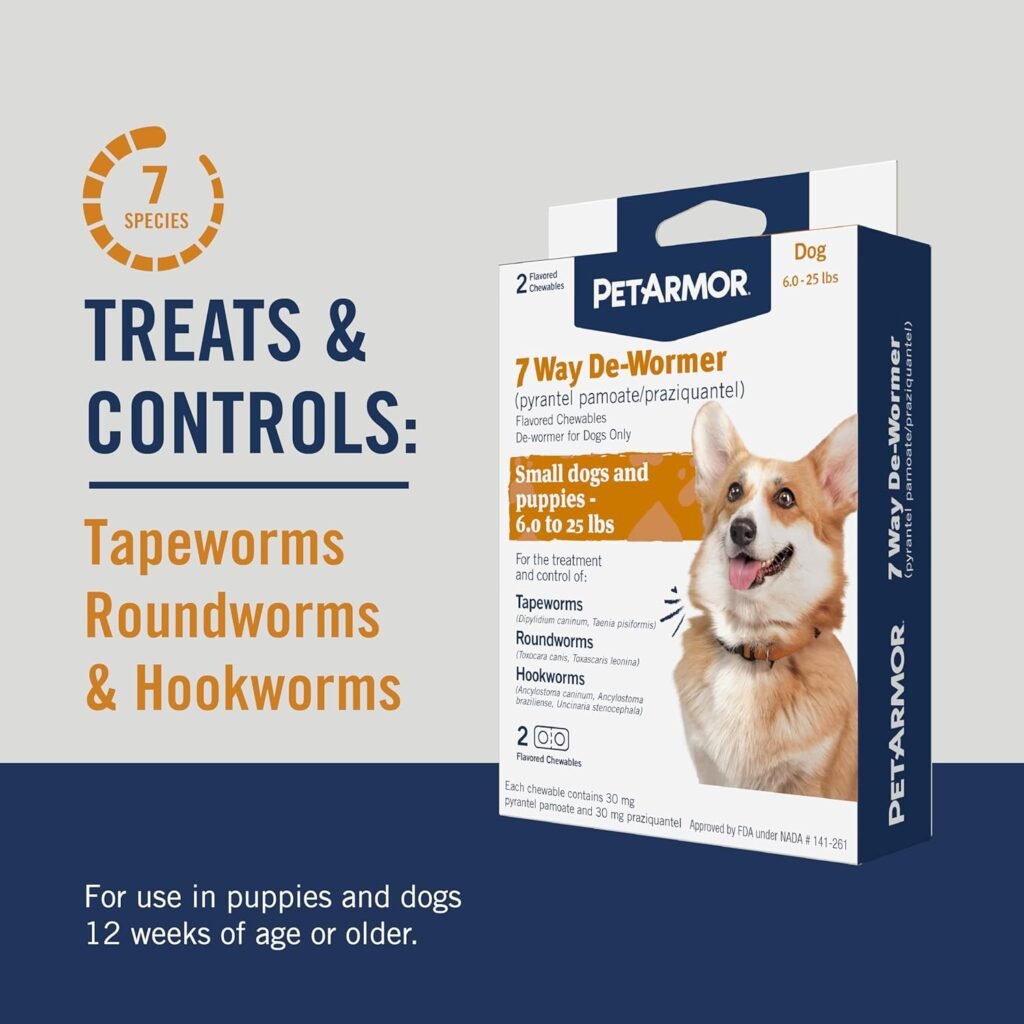
You’ll find this product marketed as a broad-spectrum chewable designed for dogs 12 weeks and older that weigh between 25.1 and 200 lbs. It combines two active ingredients—praziquantel and pyrantel pamoate—to treat and control two types of tapeworms, two types of roundworms, and three types of hookworms.
What this product claims to do
This chewable claims to remove or control seven common species of intestinal worms in dogs, which covers a lot of ground if you want a one-shot, at-home treatment. It’s presented as vet-quality and is intended for both large dogs and puppies (12 weeks+), making it a convenient option for households with multiple pets or variable sizes.
Key product details at a glance
You’ll want quick facts up front so you can decide whether to read more closely or move on. The table below breaks down the essentials for easier understanding.
| Feature | Details |
|---|---|
| Product name | PetArmor 7 Way De-Wormer for Dogs (6 Flavored Chewables) |
| Active ingredients | Praziquantel & Pyrantel Pamoate |
| Target parasites | 2 tapeworms, 2 roundworms, 3 hookworms |
| Age | Dogs and puppies 12 weeks and older |
| Weight | For large dogs & puppies over 25 lbs (25.1–200 lbs) |
| Form | Flavored chewable tablets |
| Quantity | 6 chewables per package |
| Administration | Oral; watch dog for a few minutes after dosing |
| Additional guidance | Read label instructions; consult veterinarian for retreatment or fecal tests |
How the active ingredients work
You’ll often see dewormers grouped by the active ingredients they contain, because that determines what parasites they’ll remove. Praziquantel targets tapeworms by causing paralysis and disintegration of the worm’s outer surface, allowing your dog’s immune system to clear the remains. Pyrantel pamoate acts as a neuromuscular blocking agent for roundworms and hookworms, paralyzing them so your dog passes them in stool.
Why chewables can be a good choice for you
Chewable tablets are easier to give than pills that must be hidden inside food or forced, and many dogs accept flavored chewables like treats. If your dog is picky or anxious about pills, a chewable significantly reduces stress for both of you and increases the chance your dog will get the full dose.
Who this product is best for
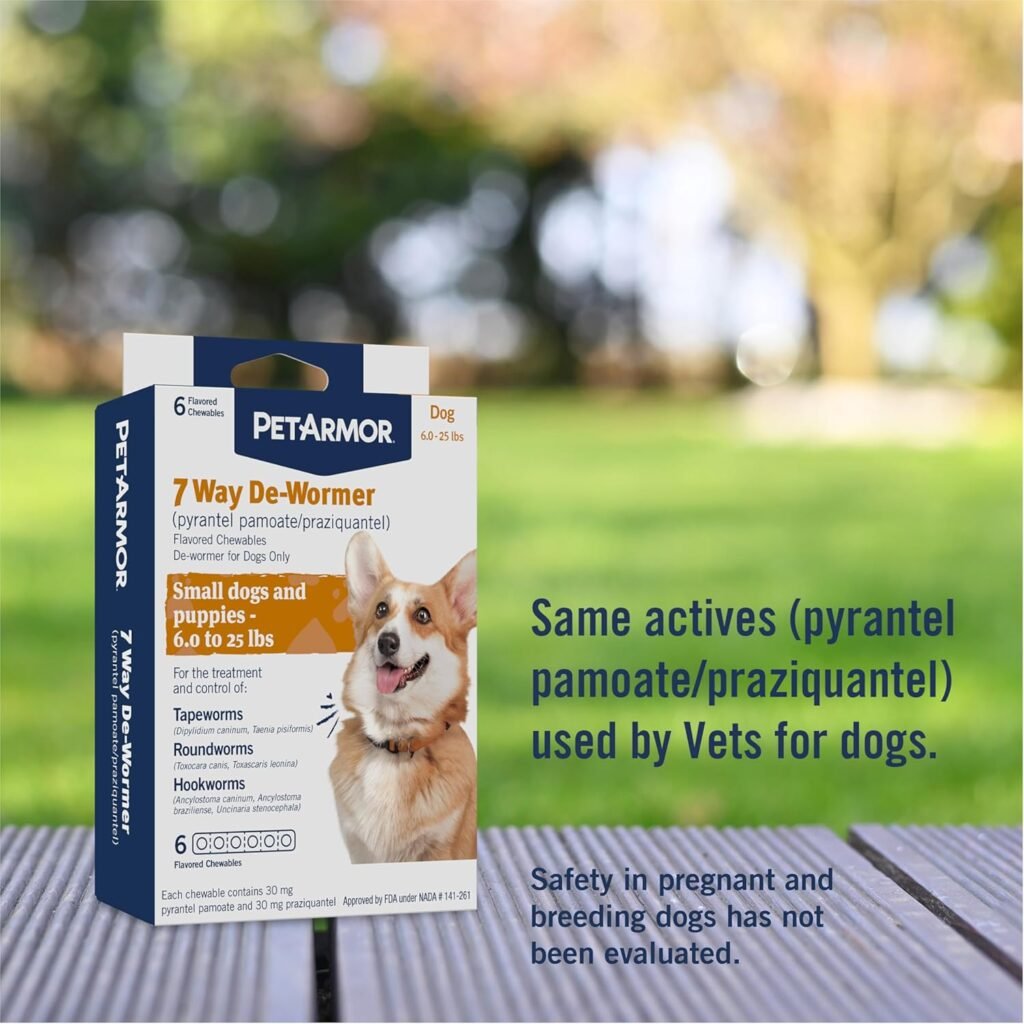
This product is primarily aimed at people with large dogs or puppies that have reached at least 12 weeks of age and weigh over 25 lbs. If you need a broad-spectrum dewormer and prefer a single-dose chewable for convenience, this can be attractive. If your dog is under 25 lbs, pregnant, nursing, or has specific health conditions, you’ll need to consult a vet and choose a product appropriate for that situation.
Dosage and administration basics
You should always read and follow the label before dosing. The product is designed for a broad weight range (25.1–200 lbs), and the packaging or label will provide specific dosing instructions you must follow. After you give the chewable, watch your dog for a few minutes to ensure the tablet is swallowed and not rejected; if it’s spat out, you’ll need to re-dose or consult your vet.
Practical steps to give the chewable
You’ll have the best chance of success if you treat this like giving a treat rather than a medicine. Offer the chewable by hand or mixed into a small portion of food, then observe your dog for a few minutes. If your dog seems to have spit it out or won’t eat it, remove any rejected pieces and consult the label or your veterinarian about re-dosing.
Safety, warnings, and when to contact your vet
You’ll want to check the label for contraindications and warnings. If your dog is ill, has a chronic disease, is pregnant, nursing, or on other medications, talk to your vet before giving any dewormer. Watch for adverse reactions such as vomiting, diarrhea, lethargy, or allergic signs; if these occur, contact your veterinarian promptly.
Common side effects and what you can expect
Some dogs will experience mild gastrointestinal upset (loose stool, mild vomiting) in the 24–48 hours after treatment. These symptoms often resolve on their own, but persistent or severe reactions require veterinary attention. Because the chewable kills parasites in the gut, you might also see worms or worm fragments in the stool—this is a normal sign the medication worked, but you should collect a sample if your vet asks for a fecal exam.
Monitoring and follow-up after treatment
You’ll want to keep an eye on your dog’s stools and overall behavior for a few days after treatment. If symptoms persist or if you still suspect worm infection after a recommended interval, consult your veterinarian about a fecal test and possible retreatment. The manufacturer recommends following label instructions and checking with your vet for retreatment and to rule out other parasites or health issues.
Pros and cons to help your decision
You’ll appreciate clarity before you buy. The pros below highlight convenience and spectrum, while the cons call out limitations and the need for veterinarian guidance.
Pros:
- Covers a broad range of common intestinal worms in dogs.
- Flavored chewables are usually easy for dogs to accept.
- Labeled for puppies 12 weeks and older and for large dogs up to 200 lbs.
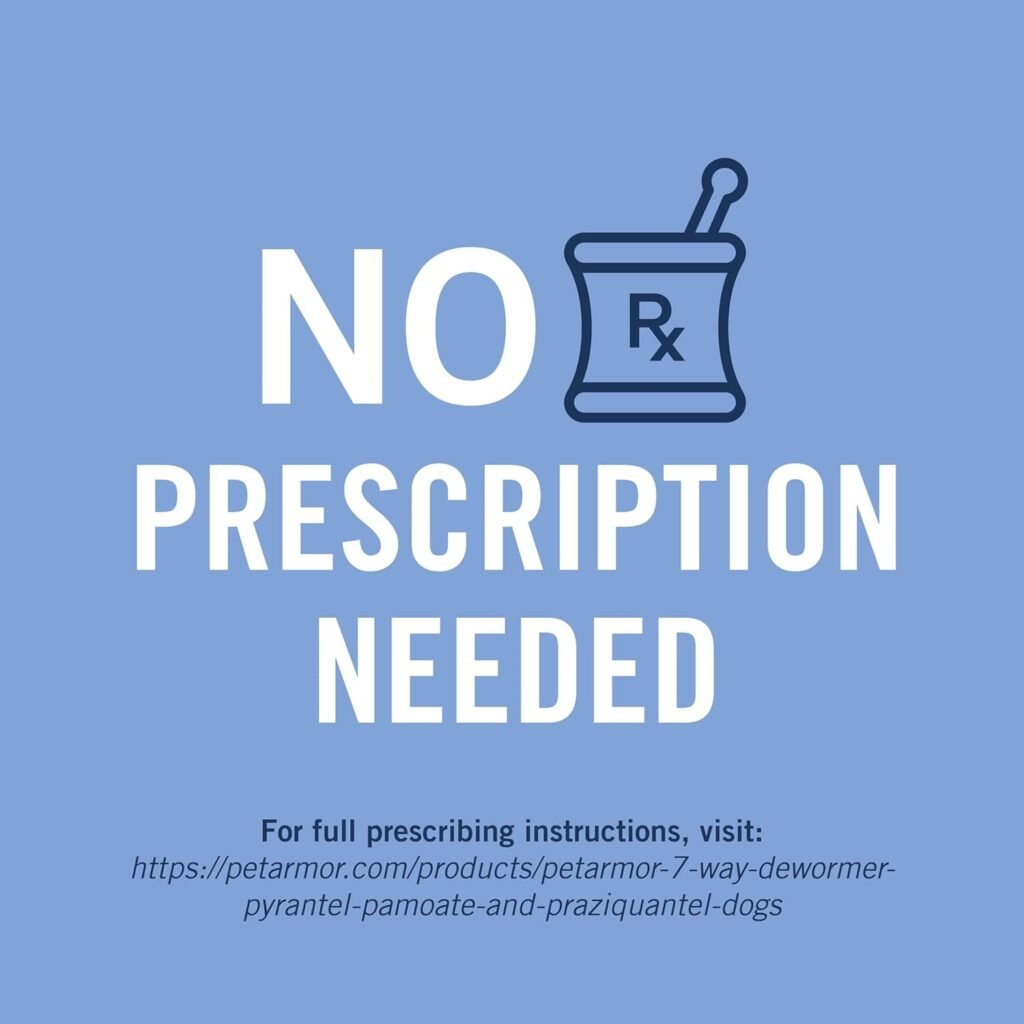
- Over-the-counter accessibility for quick home treatment.
Cons:
- Weight range is broad; correct dosing for the exact weight is essential.
- Not intended for dogs under 25 lbs or for some special populations without vet approval.
- Doesn’t replace veterinary testing; fecal exams may still be needed.
- As with any medication, there’s potential for side effects or allergic reactions.
How this compares to other common dewormers
You’ll find other dewormers that use single or different active ingredients—fenbendazole, milbemycin oxime, or combinations including praziquantel. Compared with single-agent products, this combination targets both tapeworms and round/hookworms, giving broader coverage. Compared to prescription-only products, this over-the-counter option gives quicker access but may not replace a vet-prescribed regimen for complicated or severe infestations.

Practical tips for giving chewables successfully
If your dog is food-motivated, try offering the tablet as a treat or hiding it inside a tasty but small portion of food. For suspicious or pill-averse dogs, you can try hand-feeding the chewable or concealing it in a piece of meat small enough to ensure the tablet won’t be spit out. If you’re unsure whether the full dose was ingested, watch your dog for several minutes; if you think part of the dose was rejected, consult the label and your vet before re-dosing.
Managing multi-dog households
You’ll want everyone’s treatment synchronized to reduce reinfection risk. Treat all dogs in the household according to label recommendations and consult your vet about yard sanitation and preventive strategies to limit reinfection, such as regular fecal checks and controlling intermediate hosts like fleas (which can transmit tapeworms).
When to test rather than treat
If your dog shows symptoms like chronic diarrhea, weight loss, or poor coat condition, you should consider a veterinary evaluation and fecal testing before relying on over-the-counter treatment alone. Testing helps identify the specific parasite type and ensures you use the most appropriate medication and dosing schedule.
Signs your dog might have worms
You’ll notice a range of signs that could indicate intestinal parasites: visible worms or segments around the dog’s anus, scooting, chronic diarrhea, vomiting, a pot-bellied appearance in puppies, weight loss, or poor coat quality. Occasionally you might not see any outward signs—routine fecal checks are important in prevention.
Household hygiene and reinfection prevention
After treating your dog, you’ll want to pick up feces promptly and clean contaminated areas to help prevent reinfection. Flea control is also crucial for some tapeworms, because fleas can carry tapeworm larvae; keeping both your dog and your environment flea-free helps reduce risk.
Storage and shelf-life considerations
You should store chewable tablets as instructed on the package—typically in a cool, dry place away from direct sunlight and out of children’s reach. Always check expiration dates and don’t use medicine past that date; effectiveness can wane and safety isn’t guaranteed.
Cost and value considerations
You’ll balance price, convenience, and effectiveness when you buy an over-the-counter dewormer. While vet visits and prescription products cost more, they also include professional guidance and diagnostics like fecal tests. This PetArmor product can be a cost-effective option for routine or initial treatment, but it shouldn’t replace a veterinarian’s advice when infections are severe or persistent.
Who should definitely consult a veterinarian first
If your dog is pregnant, nursing, under 12 weeks old, has other medical issues, or weighs under 25 lbs, you’ll need veterinary input. Also consult your vet if your dog is on other medications to avoid potential interactions or if you’re seeing severe symptoms like persistent vomiting, dehydration, or neurological signs.
Retreatment and follow-up testing recommendations
You’ll usually want to follow label advice and veterinary recommendations for retreatment timing. If you need to retreat, many vets recommend performing a fecal test to rule out resistant parasites or co-existing issues. Follow-up testing helps confirm that the treatment worked and that your dog is parasite-free.
Signs of a successful treatment
You’ll often see worms or parts of worms in the stool within a few days, which is common after effective treatment. Over the following week or two you should notice improvement in stool quality and general vitality. If you don’t see improvement or if symptoms persist, seek veterinary guidance.
Potential interactions and special considerations
You’ll want to tell your vet about any other medications, supplements, or medical conditions your dog has. Certain treatments and health issues can modify how your dog responds to deworming medications, or they might necessitate alternative dosing strategies.
What to expect the first 48 hours after treatment
Expect possible mild gastrointestinal upset, and keep a close eye on your dog’s drinking, appetite, and stool. If your dog seems unusually lethargic or if signs worsen, contact your vet immediately.
Real-world user expectations and tips
Many dog owners report success giving chewables as treats and seeing visible parasites passed in stool, which reassures them the treatment is working. Others recommend having spare treats on hand to make the experience positive and watching closely to ensure the tablet isn’t hidden or partially rejected.
Frequently Asked Questions
You’ll likely have specific questions; here are answers to common concerns people ask about this type of product.
Q: Can you use this if your dog has fleas? A: Treating fleas is important because some tapeworms need fleas as an intermediate host. Tackling both fleas and worms will give you a better chance at preventing reinfection.
Q: Is one dose enough? A: It depends on the type and severity of infestation. Sometimes a single dose clears common worms, but your vet may recommend follow-up fecal testing and retreatment if needed.
Q: Can puppies under 12 weeks be treated? A: This product is labeled for puppies 12 weeks and older. For younger puppies, consult your vet for appropriate options.
Q: Are flavored chewables safe for picky dogs? A: Flavored chewables are designed to be palatable, but some picky dogs may still refuse. You can try hiding the chewable in a small amount of food or offering it by hand as a treat.
Comparison table: PetArmor vs. typical alternatives
This table gives you a quick way to compare common options and decide which fits your needs.
| Feature | PetArmor 7 Way Chewable | Prescription dewormer (e.g., single-agent) | Broad-spectrum vet-prescribed oral |
|---|---|---|---|
| OTC availability | Yes | Often no | Sometimes |
| Parasite coverage | Tapeworms, roundworms, hookworms (7 species) | Varies (may target specific worms) | Often broad, includes others like whipworms |
| Ease of dosing | Flavored chewable | Varies (pill, liquid, injection) | Varies |
| Veterinary oversight | Recommended for follow-up | Required | Recommended/required |
| Price (general) | Generally lower | Often higher | Higher but includes vet care |
| Ideal for | Home users with large dogs/older puppies | Specific or severe cases | Complex infections or multi-parasite issues |
Final considerations before you buy
You’ll want to check your dog’s age, weight, health status, and any ongoing medications before choosing this product. Read the label carefully, keep your vet in the loop, and be prepared to follow up with a fecal test if symptoms continue or you need confirmation of parasite clearance.
Sample step-by-step plan you can follow
- Read the product label thoroughly and confirm your dog’s eligibility (age and weight).
- Prepare a calm setting and a few treats.
- Offer the chewable as a treat or hide it in a small amount of food.
- Watch your dog for a few minutes to ensure the full dose is swallowed.
- Monitor stools and overall behavior for 48–72 hours.
- If you see severe side effects or no improvement, call your veterinarian and consider a fecal test.
Long-term parasite prevention tips
You’ll reduce worm risk with regular fecal testing recommended by your vet, consistent flea control, proper disposal of feces, and restricting access to raw meat or scavenging that can expose dogs to parasite life stages. Preventive strategies are often more effective and safer than repeated ad-hoc treatments.
Final verdict — should you consider this product?
If you want an over-the-counter, broad-spectrum chewable for a large dog or a puppy 12 weeks and older that weighs over 25 lbs, this product is a practical and convenient option. It gives you coverage for common tapeworms, roundworms, and hookworms and uses active ingredients that are commonly accepted and used in veterinary medicine. However, you’ll be doing yourself and your dog a favor by involving your veterinarian—especially for severe cases, young puppies, or dogs with other health concerns. Use it as part of a larger parasite control plan that includes testing, hygiene, and flea control.
If you’d like, I can help you draft questions to ask your vet, create a checklist for giving the chewable, or compare this product to another specific dewormer you’re considering.
Disclosure: As an Amazon Associate, I earn from qualifying purchases.