PetSafe 2-Dog Wireless Pet Containment System review
Are you trying to keep your dog safely contained without digging a trench or installing buried wires?

Quick summary
You’ll find the PetSafe 2-Dog Wireless Pet Containment System to be a straightforward, travel-friendly solution if you want a quick setup and a consistent circular boundary for two dogs. It offers adjustable correction levels, a tone-only training mode, and a rechargeable waterproof collar that fits a wide range of neck sizes. The system is especially convenient if you prefer a no-dig solution that you can pack and take along for vacations or temporary containment needs.
What the product is
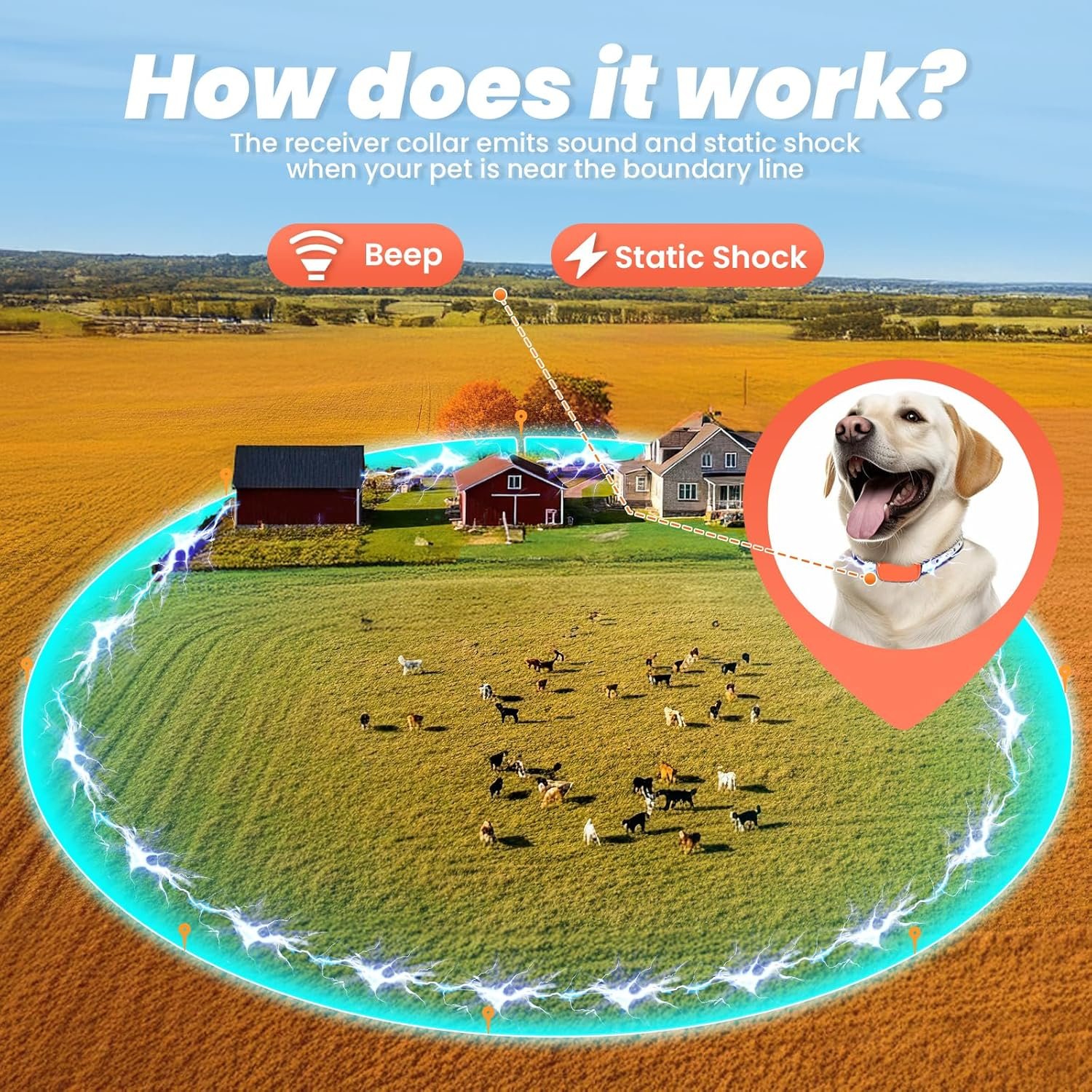
You’re looking at a wireless pet containment system designed to create an invisible circular boundary up to 1/2 acre, letting your dogs roam within that circle without going beyond it. The product name is PetSafe 2-Dog Wireless Pet Containment System – Original Wireless Electric Fence for Dogs – Covers Up to 1/2 Acre – for Pets 5lb+, and the system is built to work as a lightweight, travel-ready alternative to buried fences. It’s intended to be an easy-to-set-up option recommended by many trainers and vets for general boundary training.
Key features
This section highlights the most important functions you’ll interact with regularly. Each feature affects how the system responds to your dog and how easy it is to use day-to-day.
- Wireless circular boundary covering up to 1/2 acre
- No digging or boundary wire installation required
- Fits and charges a waterproof receiver collar
- 5 adjustable static correction levels plus tone-only training mode
- Static-free reentry (prevents repeated corrections when returning inside the boundary)
- Receiver collar adjustable from approximately 6–28 inches
- Receiver designed for dogs 6 months and older and generally weighing at least 8 lbs
- Rechargeable collar battery and travel-friendly transmitter
- PetSafe brand support and 25 years of product history
Here’s a compact breakdown to make comparison easier:
| Feature | What it does | Why it matters to you |
|---|---|---|
| Coverage | Circular boundary up to 1/2 acre | Quick setup without digging; good for small yards and travel |
| Collar fit | Adjustable 6–28 in neck size | Fits many breeds; check fit for comfort and contact |
| Weight/age recommendation | Dogs 6 months+ and usually 8 lbs+ | Ensures safe, effective correction intensity |
| Correction levels | 5 static levels + tone-only | Lets you match correction to your dog’s temperament |
| Reentry behavior | Static-free reentry | Prevents repeated corrections when your dog returns inside |
| Collar type | Waterproof, rechargeable | Works in wet weather and reduces battery cost |
| Setup time | 1–2 hours typical | Fast setup for most users, good for travel |
| Portability | Lightweight and travel-friendly | Useful if you move between homes or travel with your pet |
What’s in the box
You’ll get a transmitter, a rechargeable waterproof receiver collar (some configurations include two collars since it’s a 2-dog system), a power adapter, a charging cable for the collar, contact points, and user documentation. The box usually includes basic training flags and an owner guide to walk you through setup and training.
Accessories and extras to consider
You may want additional contact points, extra charging cables, or a backup battery for extended trips. Flags for visual training are often helpful—place them while you teach your dog the boundary so they learn faster.
Who this system is best for
This system is best for owners who want a no-dig, portable invisible fence for small to medium yards, rental properties, or travel. If you want a permanent, custom-shaped boundary around a large property, this wireless circular system may not meet your needs.
Ideal dog size and temperament
You should use this system for dogs that meet the manufacturer’s recommendations (generally at least 6 months old and around 8 lbs or heavier, despite marketing that may list 5 lb). The five correction levels and tone-only mode let you adjust intensity for nervous, stubborn, or highly energetic dogs. Use caution for dogs that are extremely anxious, have certain medical conditions, or are aggressive; consult your vet or a trainer first.
Property types and yard sizes
This system forms a circular boundary, so it’s ideal for round or roughly circular spaces and properties where a circular boundary will still keep your dog in the desired area. It works well for small yards, apartment complex grassy areas (where permitted), and parks during supervised outings. If your yard is large, irregularly shaped, or requires room-by-room containment, a wired fence or multi-transmitter solution will be a better fit.
Setup and installation
You’ll likely be able to set this up in 1–2 hours as advertised, depending on how thorough you want to be with training. Setup is mostly plug-and-play: place the transmitter in the boundary center, turn it on, adjust the radius, and pair the collar(s). No trenching or physical boundary wire is required, which is one of the system’s most practical advantages.
Step-by-step setup tips
Follow these steps to get a reliable setup:
- Choose the transmitter location centrally on your property and plug it in to power.
- Turn on the transmitter and set the radius to cover the area you want. Walk with the collar turned on to confirm the distance.
- Adjust collar contact points and fit so you have consistent skin contact where necessary.
- Use training flags temporarily to give your dog a visible cue while learning.
- Start training in tone-only mode, then gradually introduce low static levels if needed.
- Test the boundary at different times of day to ensure reliable reception and consistent edge behavior.
Using the system daily
You’ll use the tone-only mode primarily in the early training phase and for reminders, then add static correction if your dog keeps approaching or passing the boundary. Daily use is straightforward: the collar automatically responds as your dog approaches the boundary. Recharge the collar on a schedule or keep a charging routine so you never get surprised.
Training recommendations
Use positive reinforcement alongside the system to teach your dog the safe zone. Start with treats, short sessions, and flags. Progress from tone-only to a low static level only if your dog does not respond to the tone. Keep training sessions short and frequent, and reinforce remaining inside the boundary with praise and rewards so containment becomes a positive experience.
Collar and receiver details
The receiver collar is waterproof and rechargeable, which helps if your dog plays in wet grass or you experience rainy conditions. The collar adjusts to neck sizes between 6–28 inches and is designed to accommodate a variety of breeds. PetSafe often supplies two collars for two-dog systems, so you can contain two dogs with one transmitter.
Fit, comfort, and contact points
You’ll want a snug but comfortable fit so the contact points keep consistent contact with your dog’s skin. Check the collar daily for chafing, hair matting, or signs of irritation. If your dog has a thick coat, you may need longer contact points to ensure reliable corrections. Replace or add contact points as needed for fit and comfort.
Battery life and charging
The collar is rechargeable, and typical battery life depends on usage and the number of corrections. With regular use and occasional static corrections, you can expect a few days to a week per charge, but heavy use shortens life. PetSafe includes a charger and the charging process is straightforward; make a charging routine part of daily care so the collar stays ready.
Battery-saving tips
To lengthen time between charges, use tone-only during training and reserve static levels for problem moments. Turn the receiver off if your dog won’t be using the system for a while, such as during a vacation where containment isn’t required. Keep a charging cable in a visible place so you don’t forget the collar overnight.
Boundary and coverage behavior
Because the system transmits a circular signal, your boundary will always be round and centered on the transmitter. That simplicity is convenient, but it can be limiting if you need a custom shape to avoid roads or neighbor yards. You’ll want to position the transmitter thoughtfully so the circular area covers the intended zone without spilling into unsafe areas.
What to expect at the boundary
When your dog approaches the boundary, they’ll typically get a tone first (if tone mode is enabled), followed by a static correction at the selected level if they continue forward. The PetSafe system offers static-free reentry, so once your dog gets back into the permitted area, repeated corrections should stop. This prevents your dog from being stuck in a “correction loop” when re-entering.
Safety and comfort considerations
You should always check the collar fit, watch for skin irritation, and monitor your dog’s stress levels while training. A snug fit with proper contact points prevents bounce and inconsistent behavior. Because the system uses static correction, it’s important to tailor intensity and training to your dog’s personality and health. If your dog has a heart condition or is especially sensitive, consult your veterinarian before using a static system.
Minimizing stress
You’ll minimize stress by starting with the tone-only mode, ensuring thorough positive reinforcement, and keeping training sessions short and consistent. If your dog shows fear, avoidance, or aggression, stop and seek guidance from a professional trainer who’s experienced with containment systems.
Troubleshooting and common issues
Most issues come from incorrect collar fit, transmitter placement, or interference from nearby structures. If the collar isn’t triggering, first check that it’s charged and securely attached. Verify the transmitter is powered and set to the correct radius. If the boundary behaves inconsistently, try moving the transmitter or testing at different heights and locations until you get a stable edge.
Specific problems and fixes
- Collar not working: Charge the collar fully, check power, and re-pair the collar if necessary.
- Inconsistent boundary: Move the transmitter to a new location away from metal or large structures. Test boundary at ground level and walk the perimeter to confirm.
- False triggers: Check fit and contact points; trim excessive fur under the contact points.
- Dogs bypassing boundary: Reassess training, maybe increase correction level slowly, and use flags and positive reinforcement.
Comparing to wired and other wireless fences
Compared to wired systems, this wireless option is quicker to set up and more portable, but it lacks shape customization and extended coverage. Wired systems give you complete control of boundary shape and can cover larger properties, whereas wireless systems are better for speed, travel, and temporary containment.
Pros and cons vs alternatives
- Wireless system advantages: portable, fast to set up, no digging, suitable for renters and travelers.
- Wireless system disadvantages: circular coverage only, potential interference near large metal objects, limited maximum coverage.
- Wired system advantages: customizable shape, often larger coverage, permanent solution.
- Wired system disadvantages: installation time, digging or burying wire, not portable.
Pros and cons
You’ll weigh these benefits and drawbacks based on your lifestyle and property needs.
Pros:
- Fast 1–2 hour setup with no digging required
- Travel-friendly and lightweight
- Fits two dogs with included collars (2-dog kit)
- Tone-only mode for training plus 5 static levels
- Waterproof, rechargeable collar
- Static-free reentry to avoid repeated corrections
- Trusted brand with long history and customer support
Cons:
- Circular boundary can be limiting for some yard layouts
- Recommended minimum dog weight often listed as 8 lbs despite some marketing claims of 5 lbs—verify for smaller dogs
- Not ideal for dogs with severe behavioral issues or medical conditions without professional guidance
- Battery life varies with usage and can require frequent charging under heavy use
- Performance can degrade near large metal objects or strong electromagnetic interference
Price and value
When you consider the convenience, portability, and brand backing (PetSafe has sold containment products for decades), the system offers good value for many owners. It tends to cost less than a professionally installed buried fence, and you avoid the installation hassle. If you need a custom-shaped boundary or coverage for many acres, wired options or professional-grade systems will offer better long-term value.
Is it worth it for you?
If you need a temporary solution, a kit for two dogs, or a travel-ready containment system for small to medium yards, you’ll likely find this to be a worthwhile purchase. If your goal is a permanent, irregularly shaped boundary or very large acreage, you should compare wired or multi-transmitter wireless alternatives before buying.
PetSafe brand and support
PetSafe has been creating pet products since 1998 and is known for customer-oriented solutions. You’ll have access to online resources, manuals, and customer support for troubleshooting and guidance. The company often receives praise for accessible customer service and trainer/vet recommended product lines, which helps when you have setup questions or need replacement parts.
Warranty and customer care
PetSafe typically offers product warranties and support for replacement parts and repairs. You should check current warranty details and registration requirements at purchase so you know exactly what’s covered and how to get help if you need it.
Final verdict
If you want a simple, effective, and portable containment system for one or two dogs in a small to mid-size circular area, this PetSafe 2-Dog Wireless Pet Containment System is an appealing option. It gives you flexible training modes, a comfortable waterproof collar, and an easy setup that fits travel and rental living situations. Just be mindful of boundary shape limitations, verify size and weight recommendations for smaller dogs, and pair the device with solid training to make containment a positive and safe experience for your dog.
Frequently asked questions
You’ll probably have a few questions before deciding. Below are common concerns and straightforward answers to help you decide and use the system confidently.
Can I use the system for two dogs?
Yes, this is the 2-dog system designed to include two receiver collars paired to the same transmitter so both dogs can be contained within the same circular boundary. Make sure both collars are charged and fitted properly.
What size dog can use this system?
The receiver fits neck sizes 6–28 inches and is intended for dogs at least 6 months old and typically 8 lbs or heavier. Some marketing may state 5 lb, but the manufacturer’s usage recommendations and contact-point requirements generally suggest a minimum of around 8 lbs for reliable and safe correction. Always check your dog’s size against the manual.
How long is the battery life?
Battery life varies with how often the collar is active and the number of corrections. You can expect multiple days to a week between charges under typical use, but heavy use with frequent corrections will shorten this. Keep a routine to charge the collar regularly.
How do I train my dog to the boundary?
Start with tone-only mode and use training flags and treats to teach the edge. Move gradually and be consistent: reward your dog for staying inside, use the tone when they approach the boundary, and only add a low static correction if they repeatedly ignore the tone. Keep sessions short and positive.
Is it safe for puppies?
The manufacturer recommends dogs be at least 6 months old. For puppies younger than that or very small dogs, consult your veterinarian or professional trainer before using a static-correction system. Consider non-static training methods for younger puppies.
What if my yard isn’t circular?
Because the boundary is a circle, it may not match irregular property lines or exclude driveways and roads. If your yard requires a custom shape, look at wired systems or professional installations that let you define precise boundaries.
Will rain or wet conditions affect the system?
The receiver collar is waterproof, so normal rain and wet grass shouldn’t be a problem. Protect the transmitter (which plugs into AC power) from direct weather exposure and place it in a dry indoor location if possible.
Does the system prevent dogs from going under or over fences?
This system only creates a signal boundary; it won’t physically stop dogs from jumping fences or squeezing under gaps. If your dog is a determined jumper, you’ll need additional physical barriers or training.
How do I know whether to use tone-only or static correction?
Start with tone-only mode to teach boundary recognition. If your dog ignores the tone, move gradually to low static levels and increase only as needed. Tailor the correction level to your dog’s temperament and monitor for stress or behavioral changes.
Where can I get replacement parts?
PetSafe sells replacement parts—collars, contact points, chargers—through official channels and authorized retailers. You can contact PetSafe customer support or check their website for compatible parts.
If you want, I can create a quick setup checklist you can print and use while training, or compare this PetSafe kit to a specific wired fence model if you tell me the model you’re considering.
Disclosure: As an Amazon Associate, I earn from qualifying purchases.