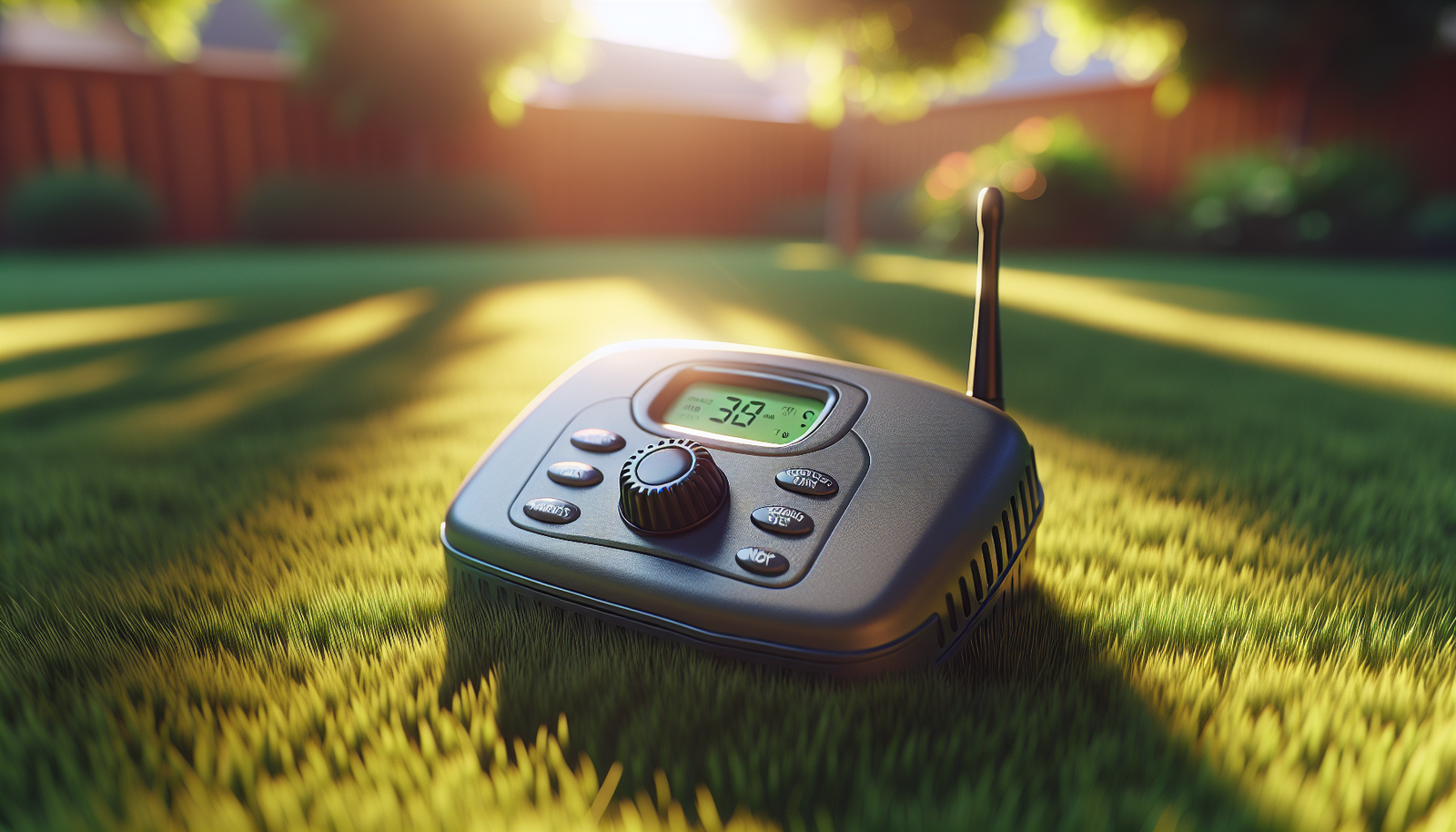
PetSafe Stay & Play 2-Dog Wireless Fence review
Wondering if the PetSafe Stay & Play 2-Dog Wireless Fence for Stubborn Dogs is the right solution for your yard and your persistent pups?

Quick Verdict
You get a travel-friendly, no-dig wireless system that creates a circular boundary for up to 3/4 acre and supports two dogs. The PetSafe Stay & Play 2-Dog Wireless Fence is designed to be accessible for most owners while offering adjustable corrections and tone-only training to match your dogs’ temperaments.
What this system is and who it’s for
This is a wireless containment system that uses a central transmitter to broadcast a circular boundary and two rechargeable receiver collars to keep dogs within that area. It’s best for owners who want an easy set-up, no buried wires, and a system that handles two dogs with varying sensitivity levels.
Product name and primary promise
The full product name is PetSafe Stay & Play 2-Dog Wireless Fence for Stubborn Dogs – America’s Safest Wireless Pet Containment System – No Dig Electric Fence – Circular Boundary – Secure 3/4-Acre Yard – for Dogs 5lb+. You should expect a solution aimed at safety, simplicity, and portability with support for dogs weighing 5 lb and up.
Key specifications at a glance
You’ll find quick specs useful when comparing systems or confirming fit for your dog. The table below breaks down the most important details so you don’t have to scan long paragraphs to find the basics.
| Specification | Details |
|---|---|
| System Type | Wireless circular boundary transmitter |
| Coverage | Up to 3/4 acre (circular) |
| Collars Included | 2 rechargeable receiver collars |
| Dog Weight Minimum | 5 lb |
| Neck Size Range | 6–28 inches |
| Correction Levels | 5 adjustable static correction levels + tone-only mode |
| Setup Time | Approximately 1–2 hours |
| Reentry Feature | Static-free reentry (automatic) |
| Waterproof | Yes (receiver collar) |
| Recommended Age | Dogs older than 6 months |
| Use Case | Travel-friendly, no-dig yards, renters, temporary containment |
What you’ll like about the setup
The transmitter and collars are designed for an owner who wants a quick, no-tools setup: plug in the transmitter, place it centrally in your yard, power on, and adjust the boundary radius. You’ll appreciate that you don’t have to trench in wires, which makes this appealing if you rent, plan to move the system, or want something portable for trips.
How the circular boundary works
The transmitter emits a radio signal in a circular pattern; you adjust the radius using the dial on the transmitter to match the size of your yard. Because the field is circular, you should plan placement to position the transmitter at the center of the area you want contained so the shape matches your usable space.
Boundary considerations and yard fit
If your yard is irregularly shaped, you’ll need to place the transmitter so the circle overlaps usable areas and avoid broadcasting into neighbors’ yards or streets. You should walk the perimeter after setup to visualize the signal and make small adjustments to radius and transmitter placement to keep your dogs safe and your neighbors happy.
Collar fit and comfort
The receiver collars are waterproof and fit neck sizes from 6 to 28 inches, which covers a wide range of small to large dogs. You want to ensure the collar sits snugly against the neck so contact points touch the skin; the system is rechargeable, which is convenient and keeps you from changing disposable batteries.
Correction levels and training modes
You’ll find five adjustable static correction levels plus a tone-only training mode, so you can tailor responses to your dog’s temperament and training stage. Use tone-only for early training and increase static levels gradually if your dog ignores tone warnings; always pair corrections with positive reinforcement so your dog learns boundaries safely.
Static-free reentry and safety features
When your dog returns to the safe zone, the static stimulation stops automatically so your dog doesn’t get repeated corrections as they reenter. You’ll be reassured by this feature because it prevents continuous stimulation and reduces stress during reentry events.
Two-dog support and multi-dog considerations
The system is sold as a two-dog solution, which is great if you have a pair or two dogs with different sensitivity levels. If you have more than two dogs, you’ll want to check compatibility for adding extra collars or consider a different model that supports additional receivers.
Setup step-by-step
You’ll typically finish setup within 1–2 hours. Steps include charging collars, placing and powering the transmitter, adjusting radius, and running a boundary check while your dog is on a leash to test corrections and fit.
What setup actually feels like in practice
In practice, setup is straightforward but does require patience during the training phase and a careful walk of the edge to note where the warning tone and corrections occur. You’ll want to avoid impulse decisions about radius settings until you observe where your dog reacts and whether any household features are impacted.
Battery life and recharging expectations
The collars are rechargeable, so you won’t be swapping disposable batteries frequently, and you can expect regular use to require periodic charging depending on how active your dogs are. You should keep track of charge cycles and plan to charge the collars overnight as part of your routine; keeping them topped up ensures consistent performance.
Durability and weather resistance
The receiver collars are waterproof, which helps if your dog likes running through sprinklers or if the yard gets wet. The transmitter is intended for sheltered placement (indoors or in a covered garage), so you’ll want to keep it out of direct elements and extreme temperatures to prolong its life.
Training tips to get the best results
Start with tone-only mode and leash-walk your dog around the boundary so they learn the warning sound means turn away. Reward when your dog responds correctly, and only increase the static level gradually if necessary; consistency, patience, and positive reinforcement strengthen the containment training and reduce stress.
Troubleshooting common training issues
If your dog ignores the tone, confirm the collar fit and try a higher correction level while pairing corrections with rewards for turning away. If the boundary is inconsistent, check transmitter placement, clear signal obstructions, and verify there aren’t large metal objects or dense structures reducing range.
Pros: What stands out
You’ll appreciate that the system doesn’t require digging, is relatively portable, and supports two dogs with independent collar settings. The tone-only option and adjustable corrections make it friendly for sensitive dogs or owners prioritizing gradual training.
Cons: Limitations to be aware of
Because the boundary is circular, it may not match oddly shaped yards well and could broadcast into neighbor spaces or streets if not placed carefully. If you have a very large property, the 3/4-acre limit might be restrictive, and owners with more than two dogs will need to explore add-on possibilities or alternate systems.
Who should consider the PetSafe Stay & Play 2-Dog Wireless Fence
You should consider this system if you want a fast, no-dig setup, have a moderately sized yard, and want a beginner-friendly, portable containment option for up to two dogs. It’s also a good fit if you travel frequently, rent, or want something temporary while landscaping or remodeling.
Who should look elsewhere
You might look for something else if your yard is substantially larger than 3/4 acre, if you need a non-circular boundary that conforms to a specific property shape, or if you have multiple dogs beyond the included two. Also consider wired systems or GPS-based options if you want precise edge shaping or extreme range.
Comparison with wired in-ground systems
In-ground wired systems give you a custom-shaped boundary by burying wire along the edges you choose, which is ideal for irregular lots, but requires digging and a more permanent installation. If you value portability and a tool-free setup, the PetSafe Stay & Play system is the more convenient choice, while wired systems typically offer more flexibility for boundary shapes and larger coverage.
Comparison with GPS and smart containment systems
GPS-based collars can create flexible boundaries without a transmitter but sometimes require monthly subscriptions and may have variable accuracy depending on satellite coverage. You’ll find the PetSafe wireless approach doesn’t rely on GPS and therefore avoids subscription fees, but it does constrain you to a circular area centered on the transmitter.
Real-world performance for stubborn dogs
For many users, consistent training combined with the tone and graduated corrections results in reliable containment, even for dogs with strong escape tendencies. If your dog is extremely determined, you should be prepared to invest extra training time and consider additional visual barriers or distractions near escape-prone areas.
What to expect during the first week
During the first week you should expect your dog to test the edge several times; remain patient and respond with leash-guided training using tone-only first, then escalate if necessary. You’ll likely notice improvement after several consistent short training sessions, especially if you reward correct behavior.
Ongoing maintenance and checks
You should regularly inspect the collar contact points, charge the receivers, and test the transmitter’s range. Periodic tests along the boundary and occasional refresher training will keep the system effective over time and help identify battery or signal issues early.
Safety and veterinary recommendations
Always confirm your dog is at least 6 months old before starting corrections, and consult your veterinarian if your dog has health concerns that could be affected by training collars. You should also consult a certified trainer if you’re unsure about setting corrections or if your dog displays high anxiety.
How the system handles multiple dogs together
Each receiver collar has independent correction settings, so you can tailor the intensity based on each dog’s temperament. You should monitor multi-dog interactions at the boundary—one dog receiving a correction may influence the behavior of the other, so balanced training for both dogs tends to produce the best results.
Personalization and control features
You’ll be able to make fine adjustments to the correction level for each collar so that a timid dog gets gentler feedback while a more stubborn dog receives more noticeable correction. Tone-only mode is handy early on because it lets you teach the concept of the boundary before introducing static correction.
Customer service and company background
PetSafe has U.S. roots with a worldwide reach and a reputation for vet- and trainer-recommended products, plus customer support that many owners find helpful. You should expect easily accessible resources, user manuals, and setup guides from a company with 25 years of experience in pet safety products.
Warranty and support expectations
You’ll want to check the included warranty details and PetSafe’s support hours for replacement parts or troubleshooting help. Typically, reputable companies like PetSafe provide a limited warranty and customer service channels to help resolve issues or provide training guidance.
Price and value assessment
The product offers value if you prioritize ease of setup, portability, and a two-dog configuration without digging a trench. You should compare the price against wired systems, add-on collars, and GPS alternatives to decide whether the simplicity and features align with your priorities.
Practical tips for placement and positioning
Place the transmitter centrally in the area you want to contain and keep it elevated from direct ground contact and away from large metal structures. You’ll also want to mark the edge visually at first—using flags or cones helps your dog associate physical markers with the invisible boundary until training is established.
Everyday scenarios and use cases
This system works well for suburban yards, renters, vacation properties, and temporary containment while you landscape or build fences. You’ll find it convenient for short-term needs—like when you need to quickly set up containment at a campsite, on a family visit, or in a new rental property.
Common questions owners ask
You’ll often see owners ask if multiple transmitters interfere, whether collars can be replaced, and how the system handles long grass or shrubs. In general, you should keep the transmitter centrally placed, maintain contact points on the collar, and monitor signal behavior if your yard has dense vegetation.
Practical setup checklist
You should follow a checklist to reduce errors: charge both collars fully, choose a central transmitter location, set the radius conservatively for the first training sessions, use visual markers at the edge, and train with leash-guided boundary walks. Keep your phone nearby and have treats ready to reinforce correct responses during initial training.
A straightforward training plan you can use
Start with a few 10-minute sessions per day in tone-only mode, walking your dog on a leash along the boundary so they hear the tone and are rewarded for turning away. After consistent positive responses, gradually introduce the lowest static level and increase only if necessary, keeping training sessions short and positive.
Emergency and safety considerations
If a collar malfunctions or your dog becomes distressed, remove the collar immediately and consult a trainer or vet if needed. You should also have backup plans for containment (like a temporary mesh barrier or leash) while you address hardware or behavioral issues.
Tips for dealing with neighbor concerns
You should communicate with neighbors about the circular range and adjust placement or radius to minimize signal reach into their yards. If the transmitter must be placed near a property line, explain your system and training plan so neighbors know your dog won’t be entering their space.
Final recommendation
If you want a no-dig, two-dog wireless containment system that’s portable and easy to set up, the PetSafe Stay & Play 2-Dog Wireless Fence makes a solid option for many households. You should be prepared to invest time in patient, consistent training and check that a circular 3/4-acre coverage area fits your property before buying.
Quick buying checklist to help you decide
You should confirm these points before purchasing: your usable area fits a circular 3/4-acre range, you have at most two dogs that will use the system, your dogs are older than 6 months and weigh at least 5 lb, and you’re comfortable with a transmitter-centered layout. If all these match your needs, this system will likely provide a convenient and reliable containment solution.
Closing thought
You deserve a system that matches your lifestyle and your dogs’ temperaments, and the PetSafe Stay & Play 2-Dog Wireless Fence aims to balance convenience, safety, and training flexibility. With reasonable expectations, careful placement, and consistent training, you should see your dogs adapt to their new boundary and enjoy safer outdoor freedom.
Disclosure: As an Amazon Associate, I earn from qualifying purchases.