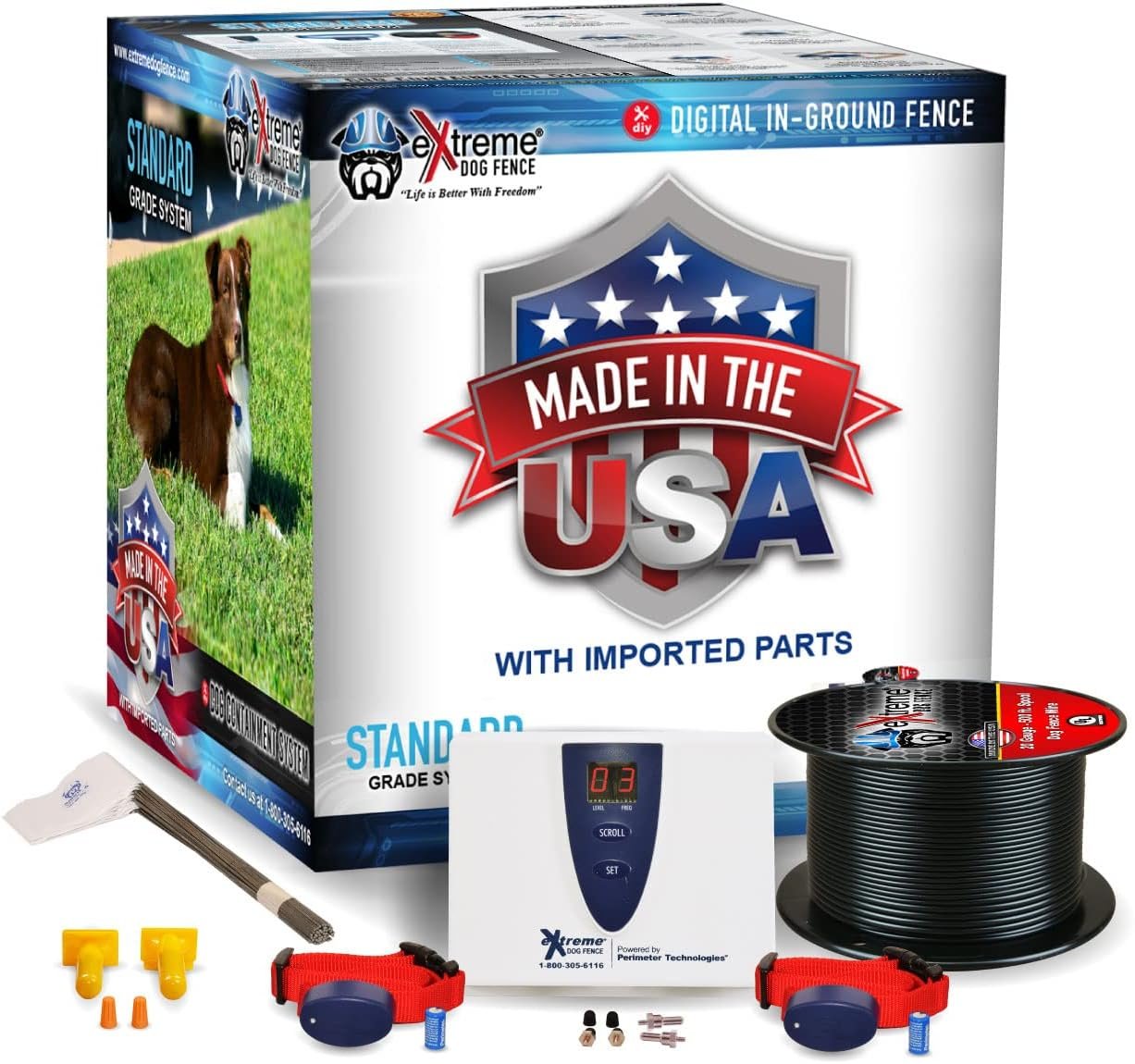
Underground Electric Dog Fence Ultimate review
Are you trying to find an underground electric dog fence that gives professional-grade performance, long-lasting durability, and easy setup for keeping your dogs safe?
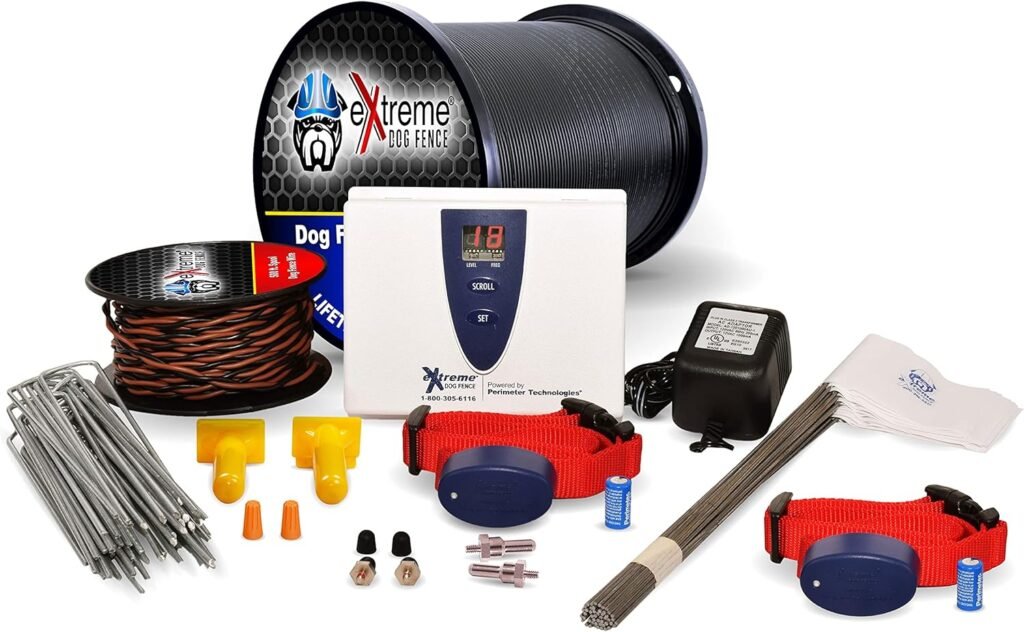

Product Overview: Underground Electric Dog Fence Ultimate – Extreme Pro Dog Fence System for Easy Setup and Maximum Longevity and Continued Reliable Pet Safety – 2 Dog | 500 Feet Pro Grade Dog Fence Wire
You’ll find this system is marketed as a heavy-duty, pro-grade kit designed to cover large properties while being simple enough for most homeowners to install. The full product name may be long, but it captures the main selling points: professional-level functionality, straightforward setup, and a focus on longevity and ongoing pet safety.
What this system promises
The kit promises coverage up to 10 acres with updated electronics that include three antennas, multiple diagnostic checks (battery, temperature, and wire), and a collar that is fully waterproof and submersible to 10 feet. Those features aim to give you both peace of mind and fewer surprises in everyday use.
What’s Included in the Box
You’ll want to confirm everything listed arrives and is in good shape before starting installation. This kit bundles most of the items you’ll need for a complete underground fence system.
Items you can expect
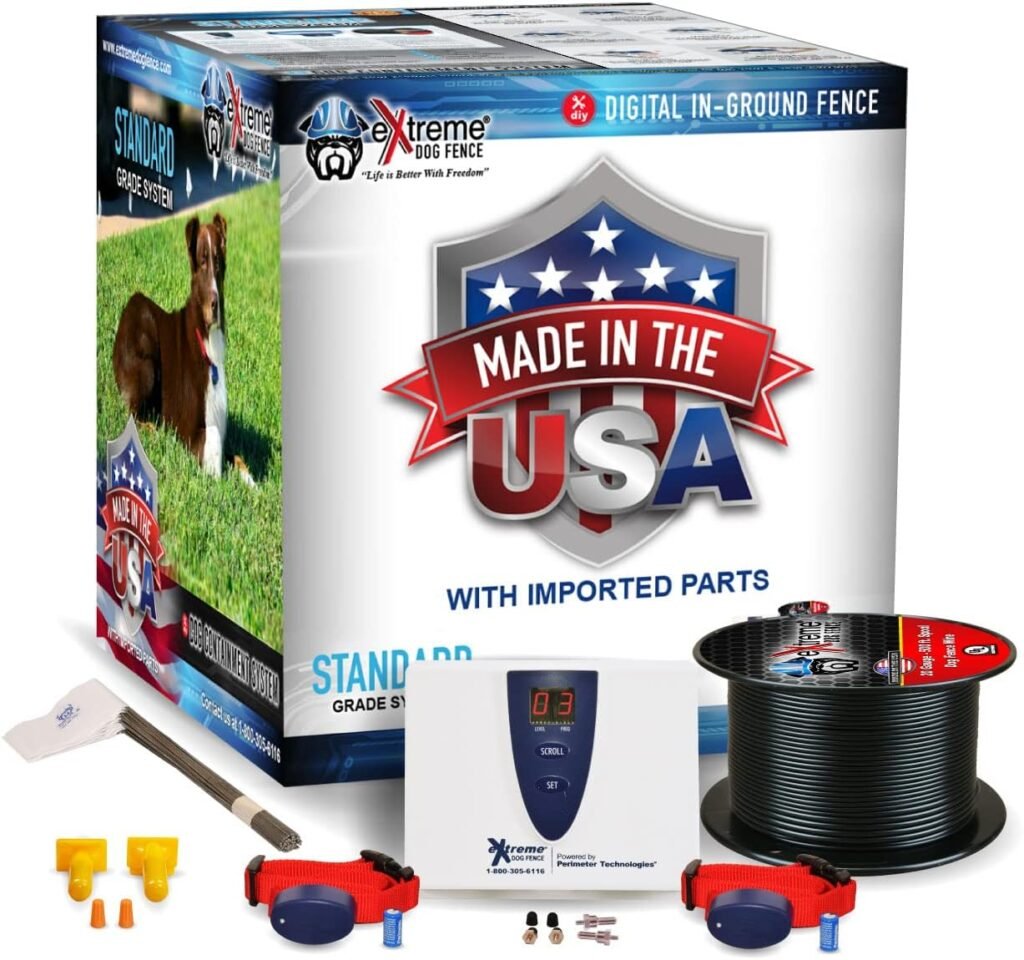
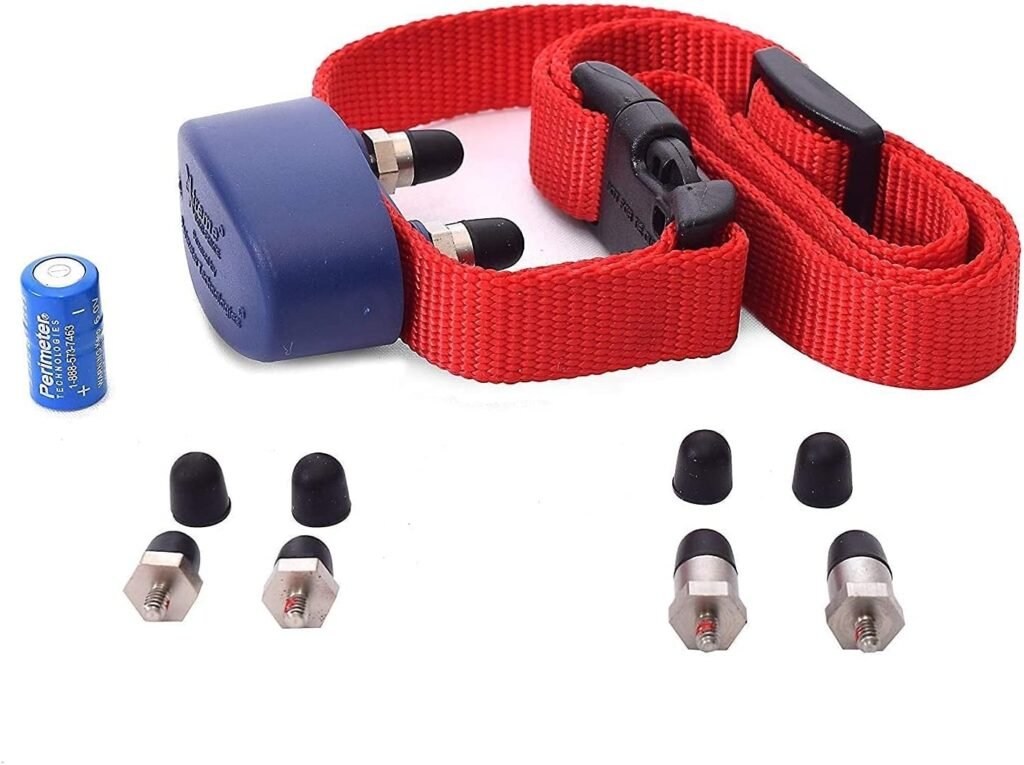
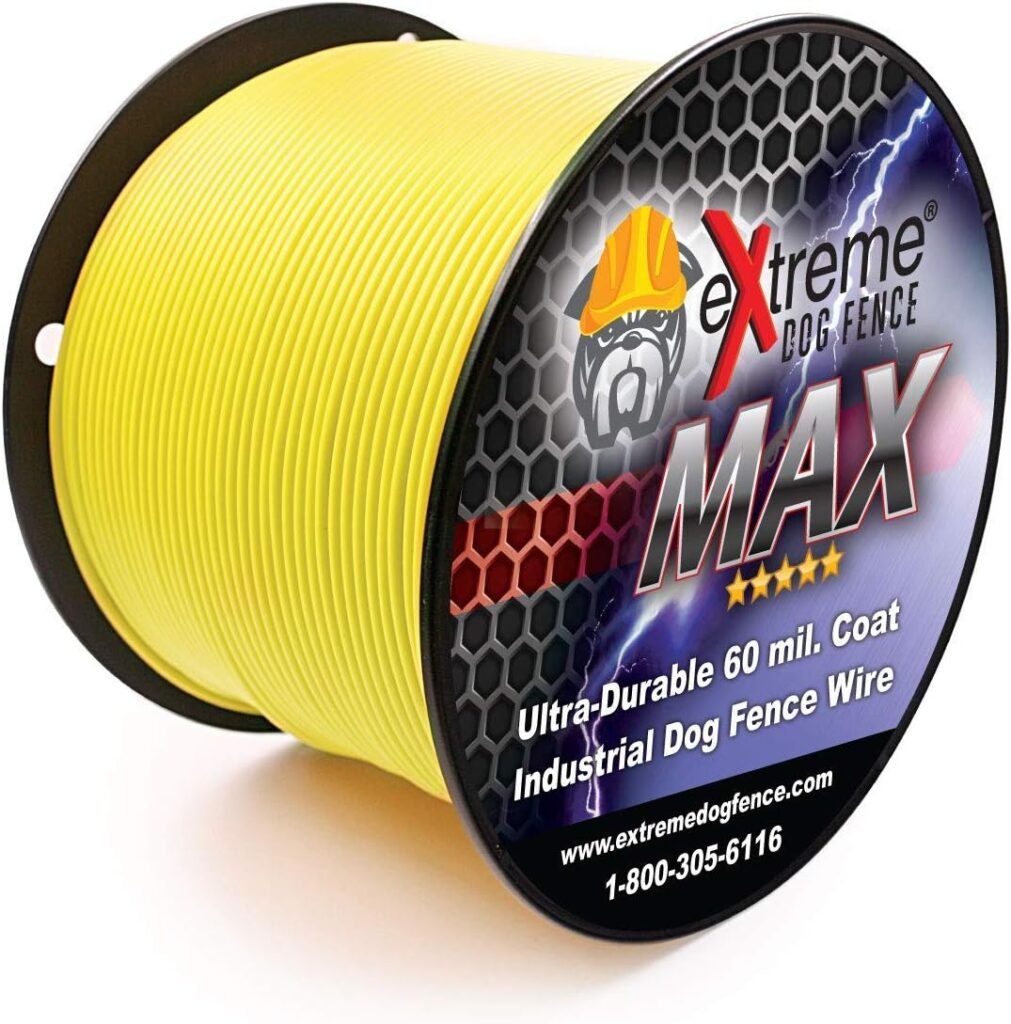
You should receive heavy duty boundary wire (500 feet for the 2-dog kit), 16-gauge twisted wire, a digital transmitter, collar receivers (with batteries), training flags, splice kits, and 10 staples. The kit being manufactured in the USA with imported components is also highlighted on the product page.
Product Specifications
Below is a concise table breaking down the key specifications so you can see the core details at a glance.
| Feature | Specification | Notes |
|---|---|---|
| Coverage | Up to 10 acres | Depends on layout and wire length |
| Wire Length (included) | 500 feet | Pro-grade heavy duty boundary wire |
| Wire Gauge | 16 gauge | Twisted wire included for buried sections |
| Number of Dogs Supported | 2 (kit) | Additional collars can often be added (check compatibility) |
| Antennas | 3 antennas in transmitter | Improved signal stability and diagnostics |
| Diagnostic Checks | Battery check x12, Temp check, Wire check | Built-in transmitter diagnostics |
| Collar Receiver | Waterproof and submersible to 10 feet | Allows dogs to swim without removing collar |
| Accessories Included | Training flags, splice kits, 10 staples | Basic installation accessories included |
| Manufacture | Assembled in USA with imported parts | Quality controls and parts origin vary |
| Transmitter Type | Digital transmitter | Programmable settings and alerts |
Key Features and Why They Matter
Knowing what each feature does helps you decide if this is the right system for your property and your dog. Each piece of technology is there to keep the system reliable and reduce time spent troubleshooting.
Three Antennas and Digital Transmitter
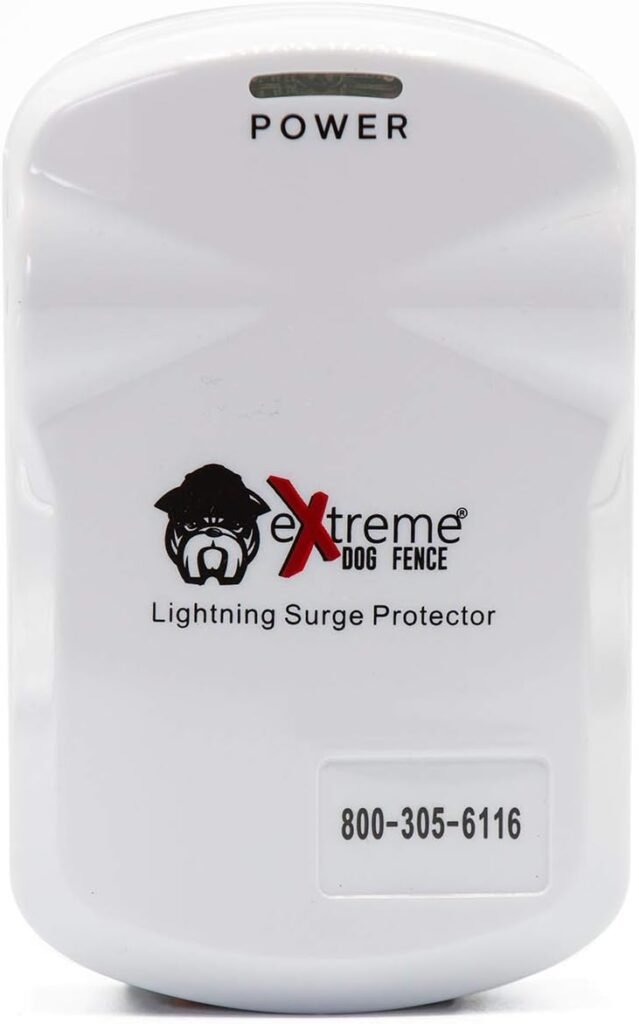
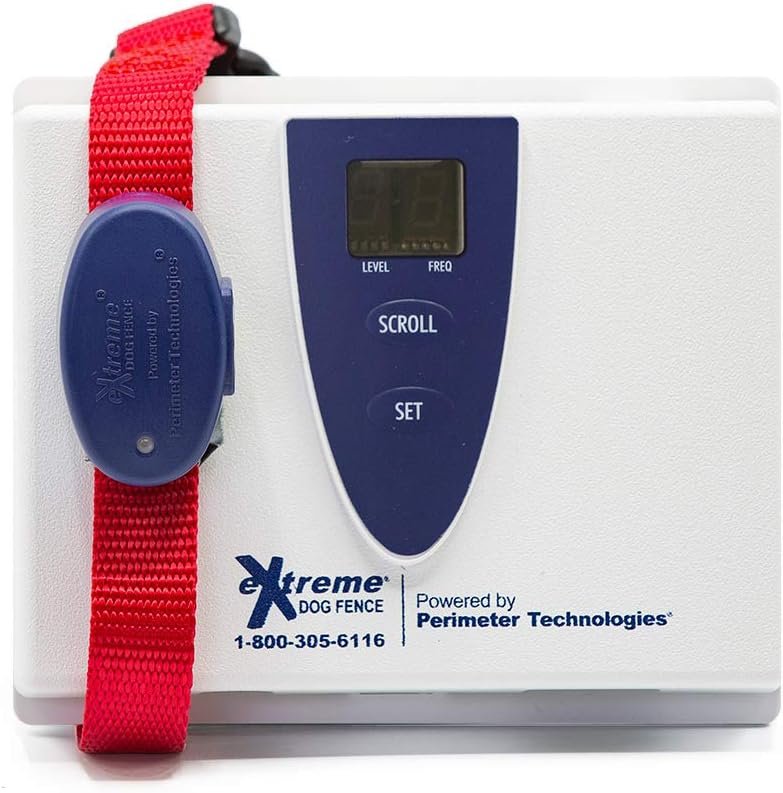
You’ll appreciate the triple-antenna design because it increases signal reliability and helps the transmitter monitor the loop status. The digital transmitter makes it easier to get accurate diagnostics and precise settings compared to older analog systems.
Waterproof, Submersible Collar Receiver
If your dog loves water, the collar being submersible to 10 feet is a big advantage. You won’t have to remove the collar for swimming, which means your containment won’t be interrupted and the receiver will stay functional even after full submersion.
Built-in Diagnostics: Battery, Temperature, Wire Check
You’ll get peace of mind from the transmitter’s multiple diagnostic checks. The battery check runs regularly, the temperature check helps avoid malfunction due to extreme weather, and the wire check warns you of breaks or shorts in the boundary wire before dogs can reach problematic areas.
Installation and Ease of Setup
You’ll be able to set this up yourself if you’re handy and follow the instructions methodically. The kit is designed for homeowner installation, but professional installation is an option if you’d prefer not to handle it yourself.
Basic steps you’ll follow
You’ll lay out your boundary plan, run the heavy-duty wire following that layout, connect the loop to the digital transmitter, program the transmitter, and fit each dog with a collar receiver for training. The included training flags and splice kits will be useful during setup.
Time and difficulty expectations
How long it takes depends on your yard size and complexity. A simple loop around a medium-sized yard may take a few hours; a multi-zone layout or burying wire under driveways or landscaping elements will take longer. You should plan for at least a day for a careful, well-documented installation.
Coverage, Range, and Layout Options
Understanding how to layout the wire is important because coverage claims (like “up to 10 acres”) depend heavily on wire length and layout technique.
Actual coverage vs. advertised coverage
You’ll get the advertised coverage only when the wire is laid out optimally and you aren’t using excessive twists that reduce effective perimeter length. The kit’s 500 feet of pro-grade wire is substantial, but if your property is oddly shaped or larger, you may need additional wire.
Common layout strategies
You’ll commonly use a single loop around the perimeter or a figure-eight for more complex containment. Twisted wire is typically used for designated non-correction pathways (like to a dog house) and that feature is included in this kit.
Collar Performance and Comfort
Your dog’s experience depends on collar size, comfort, and the effectiveness of the receiver. Comfort and weight matter, especially for smaller breeds.
Fit and adjustments
You’ll need to adjust the collar so it’s snug but not restrictive. The receiver should sit against the skin for consistent contact; loose collars will cause inconsistent corrections. Most kits include adjustable collars to fit a range of neck sizes.
Correction levels and safety
You’ll have multiple levels of correction to choose from, allowing you to start low and increase only if needed. The goal is to teach the boundary by reinforcing safe behavior, not to punish. Always use the lowest effective level and follow training guidelines.
Training and Behavioral Considerations
Getting your dog trained for the fence is as important as the hardware. Good training ensures the system is humane and effective.
How training works
You’ll use the included training flags to mark the boundary and walk your dog on a leash through the boundary area, letting them experience the warning beep and, if necessary, a correction at a low level. Consistency and positive reinforcement during training will speed learning.
Training timeline and tips
Most dogs learn the boundary in a few weeks with daily short sessions. You’ll want to supervise initial off-leash time closely and reintroduce flags occasionally to remind the dog of the boundary. If your dog is anxious or reactive, consider working with a professional trainer.
Waterproofing, Durability, and Weather Resistance
For many owners, the waterproof collar and the robustness of materials are critical, especially if your dog swims frequently or your yard faces extreme weather.
Collar submersion and all-weather use
You’ll be able to let your dog swim with the collar on without functional loss, which is a standout feature for water-loving pets. The rest of the electronics, especially the transmitter, should be kept in a dry, temperature-controlled area to maximize lifespan.
Wire and accessory durability
The heavy duty boundary wire and 16-gauge twisted wire are designed to resist corrosion and physical damage. You’ll still want to bury the wire properly or use anchors so lawn mowers and gardening activities don’t disrupt the loop.
Power, Battery Life, and Maintenance
Understanding power needs helps you maintain flawless operation and avoid unnecessary downtime.
Collar battery and transmitter power
You’ll get collar receivers with batteries included, and the transmitter typically plugs into household power with battery backup options on some models. Battery life in receivers depends on use and whether they include sleep modes, but expect to replace or recharge periodically.
Regular maintenance tasks
You’ll check wire integrity, test the transmitter diagnostics, inspect collar fit, and replace receiver batteries as needed. Periodic testing of the boundary and transmitter alerts will catch small problems before they become big ones.
Diagnostics, Alerts, and Troubleshooting
Built-in diagnostics can save you hours of troubleshooting by pinpointing sources of faults.
What the diagnostics tell you
You’ll see wire checks for breaks or shorts, battery level indications, and temperature warnings. These features will help you respond to issues proactively, such as replacing a section of wire or moving the transmitter if it’s overheating.
Common troubleshooting steps
You’ll first check for damaged wire, loose connections at splice kits, and battery levels in the receiver. Replacing corroded staple points and re-soldering or re-splicing with the included kit usually resolves most problems.
Safety and Regulatory Considerations
Electric fence systems for pets are considered humane when used correctly, but you’ll want to follow local regulations and safety guidelines.
Humane use and recommended practices
You’ll use the system as a teaching tool and maintain it to avoid accidental shocks. Use the lowest effective correction level and don’t rely on the system as the only safety measure when introducing a dog to a new environment.
Legal and community rules
You’ll check local ordinances and neighborhood rules; some HOAs or municipalities have rules about visible wires, flags, or containment methods. Transparent communication with neighbors can prevent misunderstandings.
Pros and Cons
You’ll want a balanced view before purchasing. Below are the most common advantages and disadvantages that users report.
Main advantages
- You’ll get pro-grade wire and a waterproof collar that allows swimming.
- The transmitter diagnostics (battery, temp, wire checks) reduce surprises.
- The kit is designed to cover up to 10 acres, which is enough for many large properties.
- Included accessories (flags, splice kits) make it easier to install and train.
Potential downsides
- You’ll need to invest time to learn installation and training best practices.
- The included 500 feet may not be enough for very large or complex properties.
- Some users prefer professional installation for optimal layout and reliability.
Comparison to Similar Systems
Comparing helps you decide if this model is the right fit based on your priorities: price, durability, or premium features.
Where this kit stands out
You’ll notice the triple-antenna transmitter and the deep submersible collar are standouts for reliability and water use. The diagnostic features are also more extensive than many basic systems.
Where other kits might be preferable
You’ll find simpler or cheaper kits if you want a very basic containment system with less diagnostic capability. If you need multi-dog support beyond two out of the box, some competitors include larger starter kits or modular add-ons.
Value for Money
You’ll assess value by weighing upfront cost, included accessories, and long-term performance.
Cost vs. long-term benefits
Spending a bit more on a pro-grade system can save you money later through fewer repairs, fewer replacements, and less downtime. The waterproof collar and diagnostic capabilities reduce the risk of unexpected issues, which adds to the long-term value.
When it’s a smart buy
You’ll find it particularly worthwhile if your dog swims, you want coverage for large lots, or you value diagnostic alerts that reduce maintenance time. If you have a very small yard and a non-swimming dog, a simpler kit could meet your needs.
Maintenance, Troubleshooting, and Tips for Longevity
Taking a few proactive steps will keep your system working for years.
Seasonal and routine checks
You’ll check the transmitter area for ventilation, test transmitter diagnostics, inspect wire terminations, replace receiver batteries at recommended intervals, and re-bury or anchor any exposed wire. Doing these quarterly helps avoid surprises.
Avoiding common problems
You’ll keep lawn equipment away from exposed wire, properly splice and seal connections, and avoid pinching the wire under fences or structures where it can become brittle. Training flags should be used and then removed after your dog understands the boundary.
Real-World Use Cases and Testimonials (What Users Say)
Hearing how others use a system can help you picture how it will fit into your life.
Typical user scenarios
You’ll find many users with large rural properties praising the range and reliability. Dog owners who live near ponds or lakes frequently comment that the submersible collar is a game-changer. Some city or suburb users say the kit is more than they need but still appreciate the solid construction.
Common praise and complaints
You’ll likely hear praise for battery checks and diagnostics. Complaints often center on the time required for initial setup, or the need to purchase more wire for larger properties. Training time and dog personality factors also come up regularly.
Frequently Asked Questions (FAQs)
You’ll have practical concerns that are worth answering up front.
Can you add more dogs?
You’ll generally be able to add more collar receivers that are compatible with the transmitter. Confirm compatibility and whether the transmitter supports additional collars without performance loss.
Is it safe for small breeds?
You’ll be able to use this system for small breeds as long as you use appropriately sized collars and start with the lowest correction levels. Monitor your dog closely and consult a trainer if you’re unsure.
What if the wire gets severed?
You’ll use the included splice kits to repair breaks. The transmitter’s wire check should help you locate the break quickly.
Final Verdict
After reviewing the features and practical considerations, you should have a clear idea of whether this system matches your needs. It offers a strong combination of professional features and homeowner-friendly components.
Who should buy this system
You’ll be happiest with this kit if you have a medium-to-large property, dogs that enjoy water, or you value advanced diagnostics and durable construction. Its pro-grade wire and submersible collar make it a robust choice for active pets and varied weather conditions.
Who might look elsewhere
You’ll consider simpler or lower-cost models if your yard is small, your dog never goes near water, and you prefer the lowest possible price point. If you’re uncomfortable with DIY installation, you might factor in the cost of professional installation.
Quick Buying Checklist
Before you purchase, check off the items below so you’re prepared.
- You’ve measured your property and know if 500 feet of wire is enough, or if you’ll need extra.
- Your dogs are suited to collar-based containment and have no medical issues that would make corrections unsafe.
- You’re ready to commit time to training and initial supervision.
- You’re comfortable performing basic electrical troubleshooting or have access to help.
Closing Thoughts
You’ll find this Underground Electric Dog Fence Ultimate – Extreme Pro Dog Fence System balances pro-level features with homeowner usability. With thorough setup, proper training, and routine maintenance, it can provide reliable containment and peace of mind for both you and your dogs.
If you want, I can help you draft a property layout plan, recommend training steps tailored to your dog’s temperament, or compare this kit to two specific competitor models you might be considering. Which would you like next?
Disclosure: As an Amazon Associate, I earn from qualifying purchases.