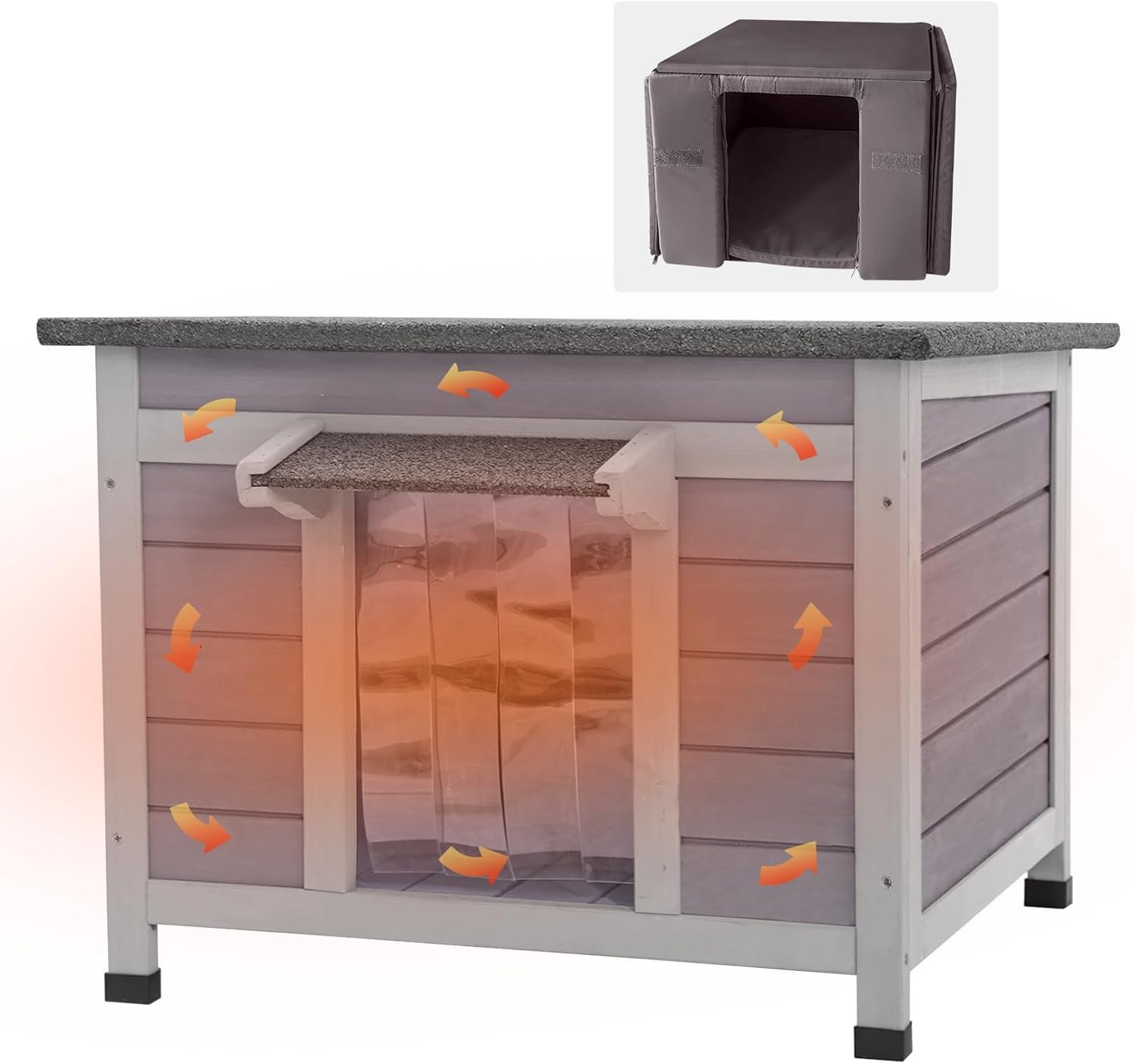
Outdoor Cat House with Insulated Liner review
Outdoor Cat House with Insulated Liner review
Are you trying to keep outdoor or feral cats warm, dry, and safe this winter with a shelter that actually works?

Product Overview
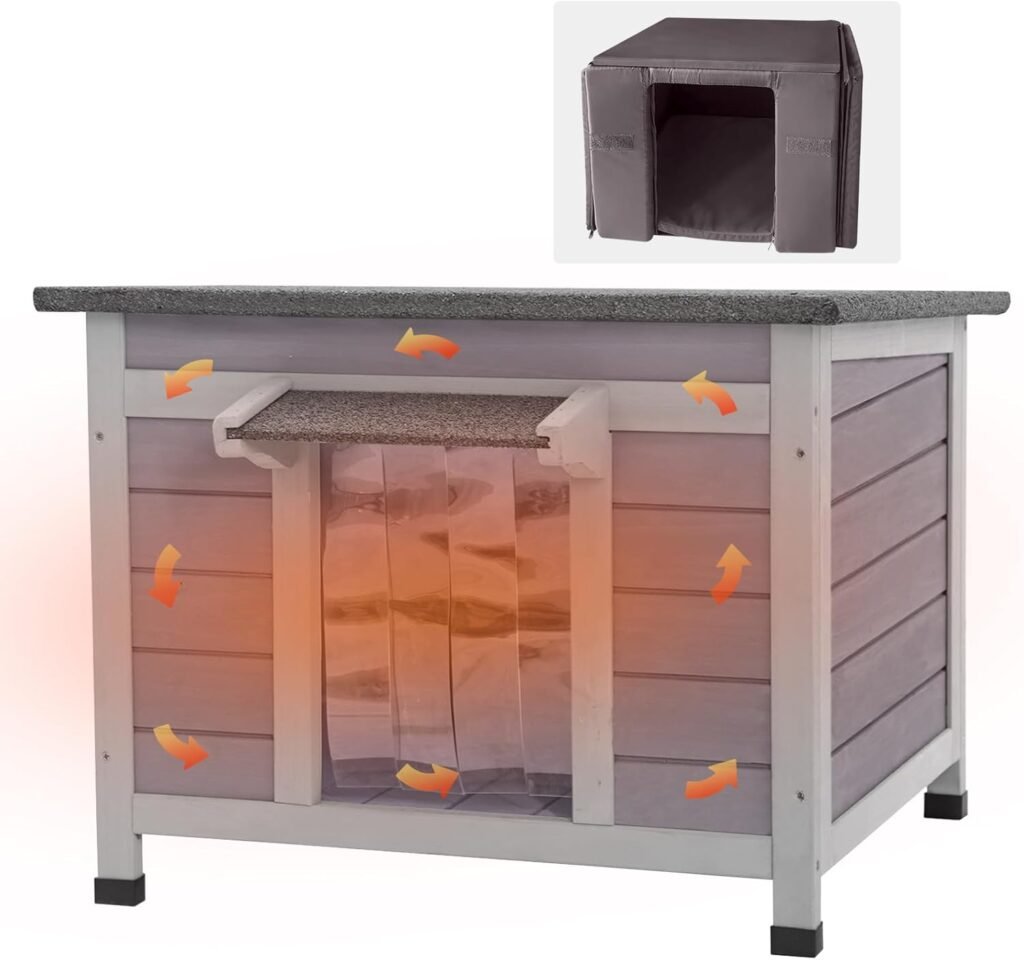
You’re looking at the Outdoor Cat House with Insulated Liner Weatherproof Feral Cat Shelter for Winter, a purpose-built shelter meant to keep cats comfortable through cold seasons. This house combines solid wood construction, a two-layer insulated liner, and thoughtful weatherproofing to protect animals from rain, snow, and wind.
What this product aims to do
You’ll find the shelter is designed to trap a cat’s body heat while blocking wind and moisture, making nights outdoors far less perilous for feral, stray, or free-roaming cats. The maker highlights multiple insulation layers and an elevated, waterproof base to reduce chill from the ground.
Key Features
These highlights give you a snapshot of what matters most when choosing a feral cat shelter. You’ll be able to judge whether the product fits your climate, the size of the cats you care for, and your expectations for durability.
Insulation and interior comfort
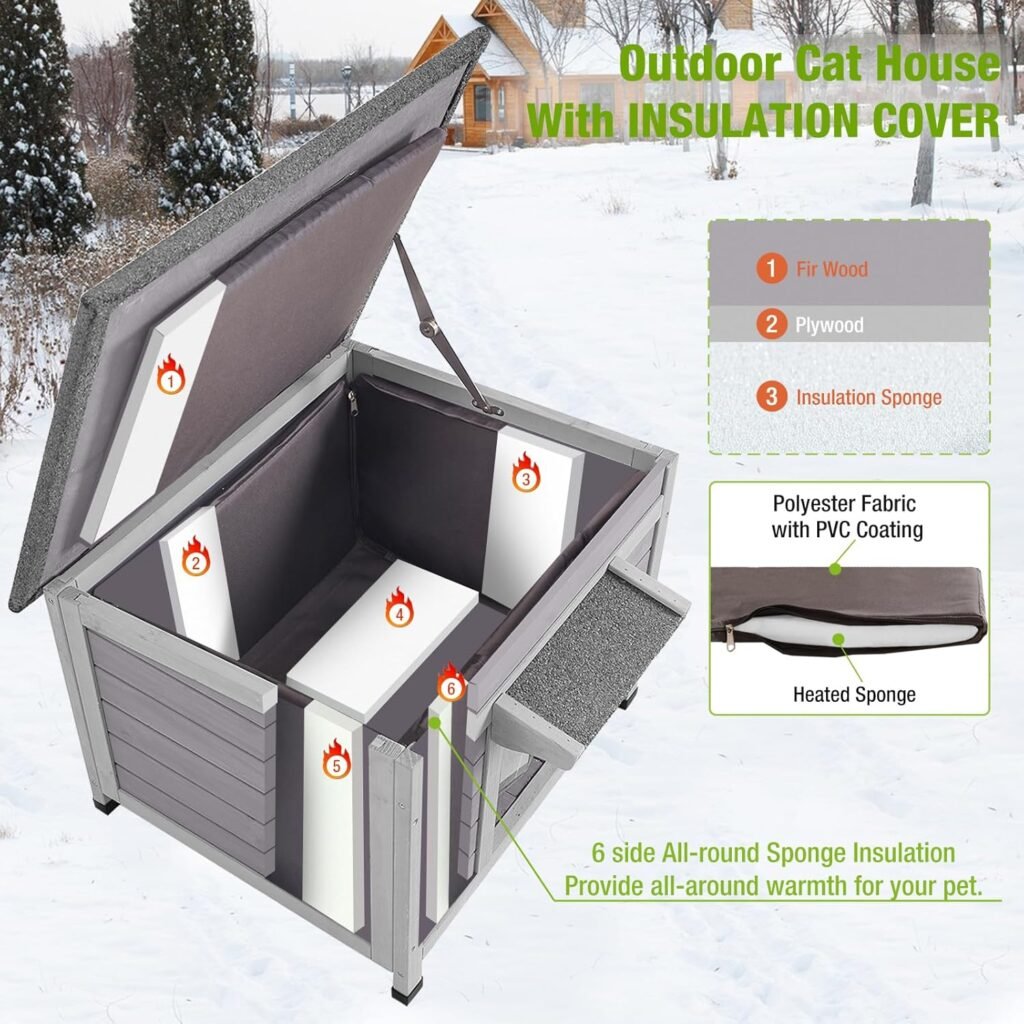
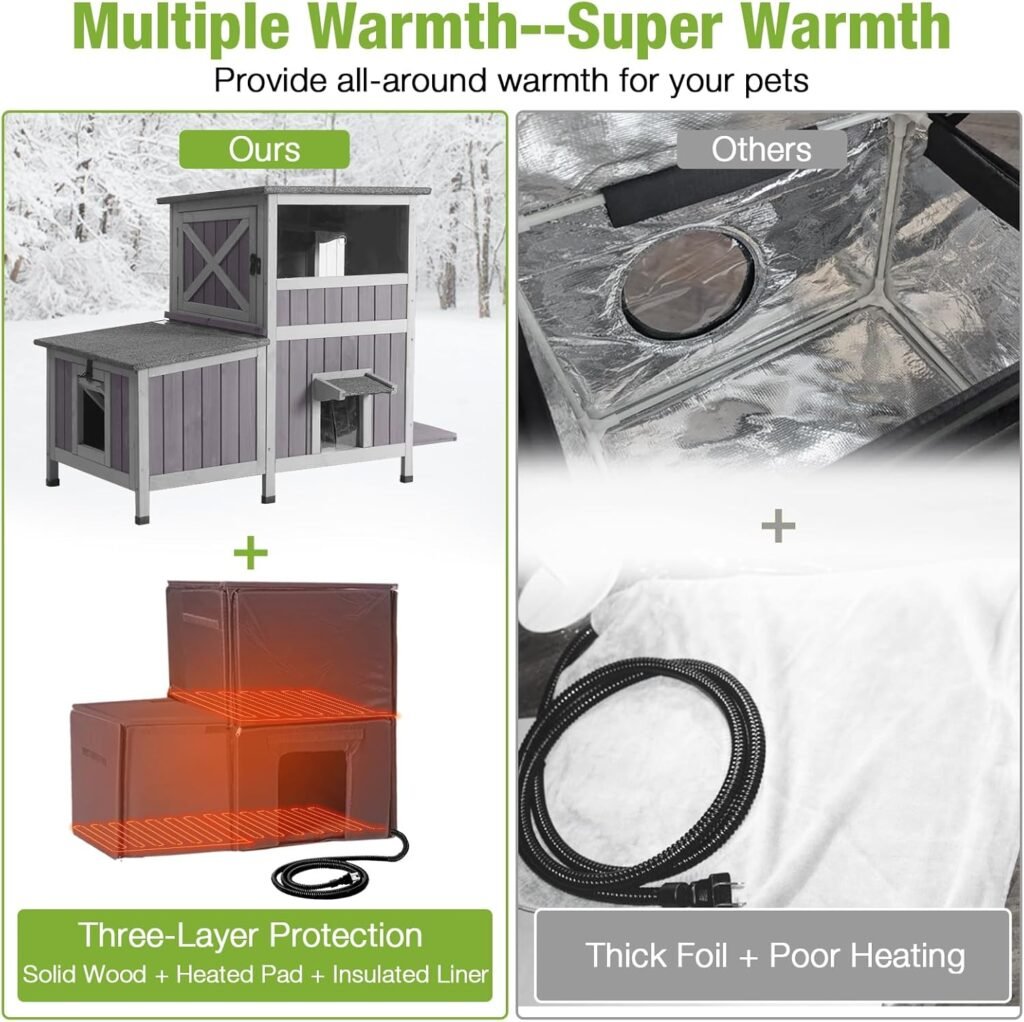
The house includes a 6-sided insulated liner and a soft thermal inner liner filled with a 0.78″ thicker sponge. That combination aims to keep heat in and cold out so cats stay snug.
Weatherproofing and structure
A slanted roof and leak-proof design help the house shed rain and snow. The waterproof base is elevated off the ground to reduce damp and cold transfer from soil or concrete.
Size and capacity
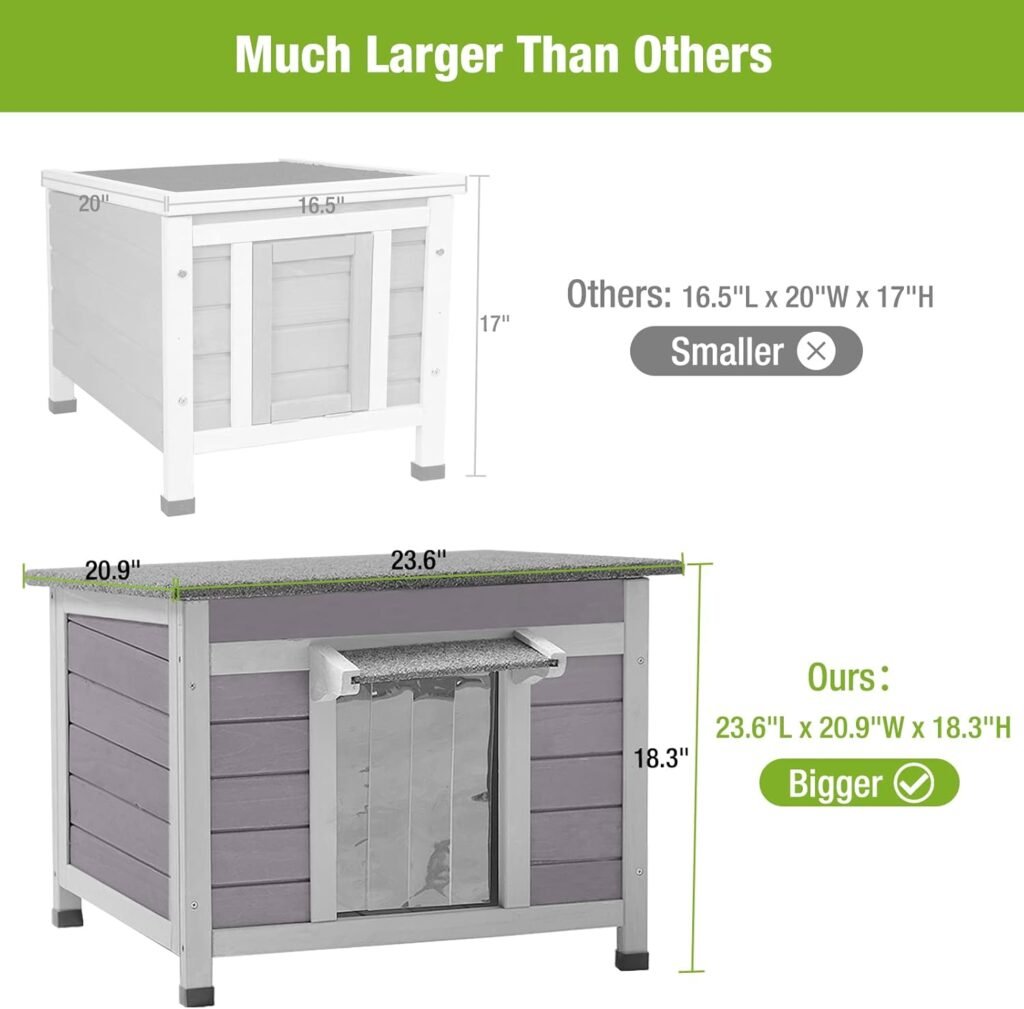
With external dimensions of 23.6″ L x 20.9″ D x 18.3″ H, the shelter is larger than many competing models and can accommodate multiple kittens or cats up to about 25 pounds combined. That makes it a good option if you’re caring for a colony or expect occasional multiple-occupant use.
Quick Specifications Table
You’ll find the key specs below in a simple table to help if you’re comparing multiple shelters.
| Specification | Details |
|---|---|
| Product Name | Outdoor Cat House with Insulated Liner Weatherproof Feral Cat Shelter for Winter |
| Dimensions (L x D x H) | 23.6″ x 20.9″ x 18.3″ |
| Insulation | 2-layer system: thermal liner + 0.78″ sponge inner liner; 6-sided coverage |
| Materials | Solid wood exterior; thermal liner interior |
| Weatherproofing | Leak-proof design; slanted roof; elevated waterproof base |
| Capacity | Accommodates multiple kittens/puppies; suitable for pets totaling ~25 lbs |
| Intended Use | Outdoor feral/stray cat shelter; winter protection |
Design and Build Quality
When you evaluate a cat shelter, build quality is central because outdoor wear and tear is relentless. This shelter’s combination of materials and thoughtful design elements makes it a practical choice for long-term outdoor use.
Materials and construction
You’ll notice the exterior is solid wood, which provides structural strength and natural insulation. The inner thermal liner and sponge add an extra layer of protection against cold. Joints, seams, and the finish all affect how long the house performs outside, and this product aims to address those points through a leak-resistant approach.
Roof and base design
The roof is slanted to prevent water pooling, and the base is elevated to keep the floor dry. If you place the house on uneven ground, you’ll appreciate the raised base that reduces direct contact with wet soil, which reduces rot and damp sniffles for cats.
Insulation Performance
Keeping a small animal warm is about trapping body heat and stopping wind infiltration. This product focuses on both sides of that equation.
Thermal liner effectiveness
The soft thermal inner liner, featuring a 0.78″ thicker sponge, is designed to capture and retain the cat’s body heat. You’ll see improved warmth inside the shelter compared to non-insulated models, especially during freezing nights.
Six-sided insulation advantages
You’ll get insulation not just on the floor and walls but on all six sides, including the roof and door surround. That reduces cold spots and helps the interior maintain a more consistent temperature, which is crucial when outdoor temps swing.
Weatherproofing & Durability
Your shelter needs to be tough enough to handle wind, rain, and snow. This model emphasizes water resistance and structural features to survive a harsh season.
Leak prevention and roof mechanics
The slanted roof prevents rain and snow from accumulating. You’ll find that water runs off rather than sitting, which extends the life of the wood and liner. Proper sealing at seams and edges supports a leak-resistant interior if the product is kept in good condition.
Elevated waterproof base
By lifting the floor off the ground, you’ll protect the interior from puddles and ground moisture. That keeps bedding drier and reduces the risk of mold or rot forming in contact areas.
Size, Capacity, and Placement
You’ll want to match shelter size to the cats you care for and the space where you plan to place it. This unit’s dimensions and weight capacity make it flexible for multiple situations.
Interior space and multi-cat use
Measuring 23.6″ x 20.9″ x 18.3″, the interior gives enough room for a single adult cat to move and rest comfortably or for several kittens to cuddle together. If you’re housing more than one adult cat, check that combined weight doesn’t exceed ~25 lbs to ensure stability and comfort.
Where to place the shelter
You’ll get the best performance if you put the house in a sheltered location: under eaves, behind bushes, or next to buildings to block wind and maximize passive heat retention. Position the entrance away from prevailing winds and on a slightly raised or level surface to aid drainage.
Comfort and Interior Environment
Cats value warmth, security, and privacy. This shelter is designed to meet those instincts so that feral or stray cats are more likely to use it.
Entry design and privacy
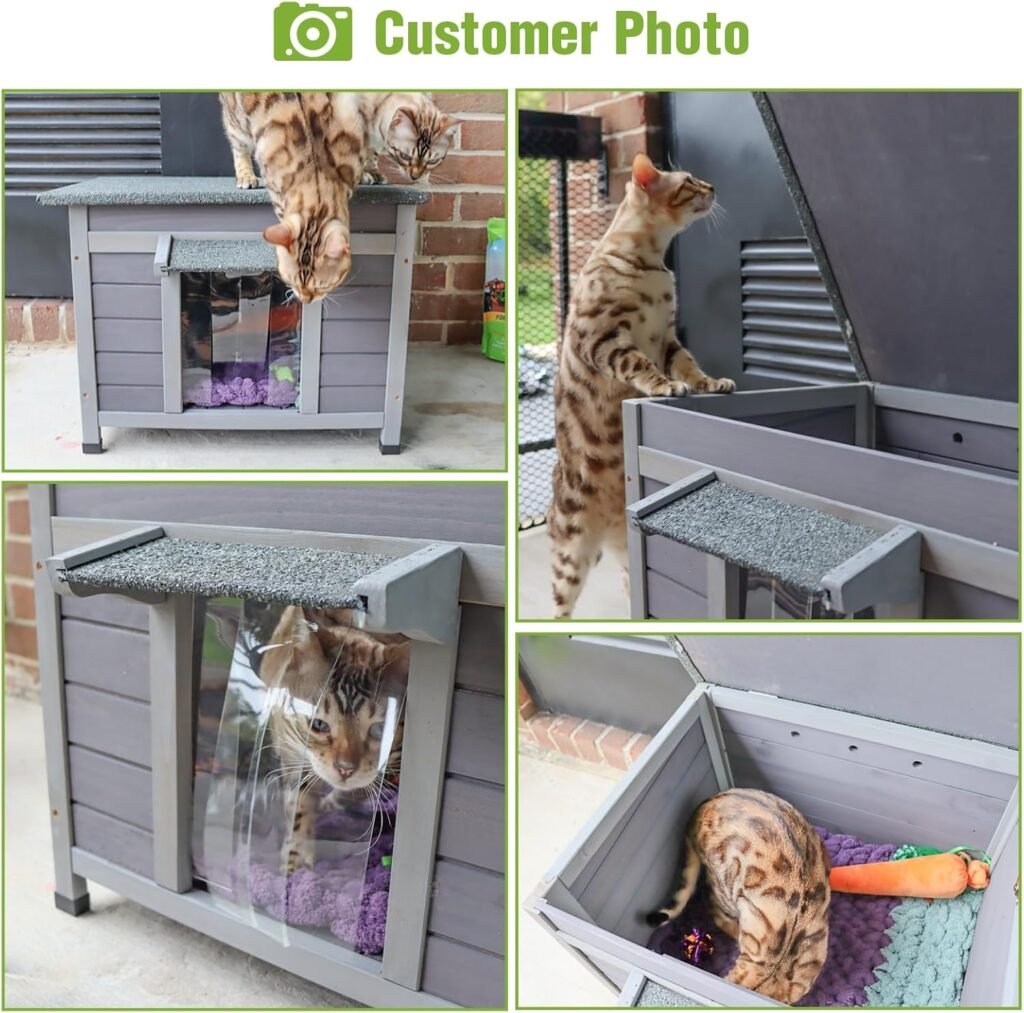
The entrance is sized for easy access but small enough to block drafts and maintain warmth. You’ll appreciate that it gives cats a comfortable sense of enclosure, which encourages use in colder months and at night.
Bedding and enhancements
You can add straw (not hay), thermal pads, or washable bedding to increase comfort. You’ll want to avoid blankets that absorb moisture and focus on materials that insulate even when slightly damp. Proper bedding choices boost the shelter’s thermal performance considerably.
Safety and Animal Welfare
Providing shelter is a humane action, but you’ll want to implement practices that prioritize cat health and safety.
Temperature and ventilation balance
While warmth is important, you’ll still need ventilation to prevent condensation and keep air fresh. You’ll want to check the shelter regularly for signs of excess moisture or odors, and add vents if you notice a lack of airflow without compromising warmth.
Predators, pests, and human interaction
Place the house in an area that minimizes predator access and human disturbance. You should also check regularly for pests like fleas or ticks and clean or replace bedding to reduce health risks for the animals you’re helping.
Setup and Maintenance
A good shelter should be straightforward to assemble and maintain. You’ll want to keep it functional throughout the season with a small amount of upkeep.
Assembly tips
You’ll likely need basic tools (screwdriver, maybe a drill) for assembly. Follow the manufacturer’s instructions and seal any potential gaps where water could enter. Tightening screws and checking seals periodically will help maintain integrity.
Cleaning and seasonal storage
You should remove bedding and clean the liner periodically. The insulated liner might be removable; if not, surface-clean it and allow it to dry completely before replacing bedding. At the end of the season, store the shelter in a dry place to prevent winter damage, or cover it with a breathable tarp that won’t trap moisture.
Placement, Use Cases, and Best Practices
You’ll get better results if you match shelter placement and accessories to the local climate and the needs of your cats.
Best placement strategies
You’ll achieve better shelter retention by placing the unit against a windbreak, on slightly raised ground, and beneath natural or structural cover. Orient the entrance away from prevailing winds and toward a predictable pathway used by the cats.
Seasonal adjustments
In deep winter you can add extra bedding and thermal pads; in milder months reduce insulation and increase airflow. You’ll want to monitor use; if cats stop using the shelter, evaluate whether location, entrance position, or interior conditions need adjustment.
Pros and Cons
You’ll want a balanced view before you commit. Here’s what you can expect at a glance.
Pros
- Excellent insulation with 6-sided liner and 0.78″ sponge interior for increased warmth.
- Solid wood construction that offers durability and natural insulation.
- Slanted roof and elevated waterproof base prevent pooling and reduce moisture.
- Larger dimensions than many models—can host multiple kittens or small dogs up to ~25 lbs.
- Clear humane purpose: designed to provide safer winter sleeping conditions for feral and stray cats.
Cons
- Wood requires periodic maintenance to prevent rot and prolong lifespan.
- Depending on your climate, you may wish to add more thermal bedding or electric-safe heating for extreme cold.
- If multiple adults regularly share it, weight or overcrowding could reduce comfort.
- Assembly and sealing can be a small additional effort compared with simpler plastic models.
How It Compares to Alternatives
You’ll see many feral cat shelters available, from plastic igloos to insulated bins. This wooden model fits a middle ground: more sturdy and insulating than basic plastic, but requiring more maintenance than all-weather molded shelters.
Wooden vs. plastic shelters
Wood shelters like this offer better natural insulation and a more home-like interior. You’ll get a stronger structure and better long-term aesthetics, but you’ll need to maintain seals and finishes. Plastic shelters resist rot but can lose heat faster unless specially insulated.
Insulated liners vs. heated options
This shelter’s passive insulation is a safe, low-maintenance solution. If you live in extremely cold regions, you might consider heated pads designed for outdoor use, but electrical devices carry additional risk and cost. You’ll appreciate that passive insulation works without power and requires minimal upkeep.
Real-World Use Cases
Think about how you plan to help outdoor cats; this shelter suits several common scenarios.
Feral cat colonies
If you’re caring for a colony, you’ll benefit from the larger footprint and multi-cat capacity. You’ll want multiple shelters spaced across territory lines so cats can avoid conflict and crowding.
Neighborhood cats and strays
You’ll make a big difference for single stray cats by placing this near regular feeding stations. You’ll see cats use the shelter for daytime naps and nighttime protection when they trust the location.
Temporary rescue and rehab
If you’re fostering kittens or temporarily housing small animals outdoors, the shelter’s size and insulation make it useful as a short-term holding space before indoor housing is available.
Installation Checklist
You’ll want a brief checklist to simplify setup. Use this when you install the shelter to make sure nothing important is missed.
- Choose a sheltered location with reduced wind exposure.
- Place the shelter on level, slightly raised ground or add pavers to improve drainage.
- Orient entrance away from prevailing winds.
- Assemble per instructions and seal any visible gaps.
- Add straw or thermal bedding (avoid absorbent fabrics that retain moisture).
- Check shelter weekly for moisture, pests, and wear.
- Replace bedding and repair seals as needed.
FAQs
You’ll likely have practical questions before you buy. Here are answers to common concerns.
Can this shelter handle heavy snow?
The slanted roof helps shed snow, but in areas with very heavy snow accumulation you should clear snow regularly to prevent stress on the roof and reduce cold transfer.
Is the liner washable or removable?
The design includes an insulated thermal inner liner; if it’s removable you can wash or spot-clean it per manufacturer guidance. If not removable, surface clean and dry thoroughly before rehanging bedding to avoid mildew.
Will predators be able to get in?
The entrance is sized for cats and smaller animals; larger predators may still approach in certain areas. Position the shelter in protected locations and consider motion-activated lighting or fencing if predators are a real concern.
How many cats can fit inside?
You can fit multiple kittens or small pets; the shelter is best for one to two average-sized adult cats or a small group of kittens. For larger groups, provide multiple shelters spaced out to prevent conflict.
Tips for Maximizing Success
You’ll get the best value if you pay attention to simple improvements and usage habits.
- Use straw instead of blankets: Straw insulates when dry and resists moisture better than fabric.
- Raise the house slightly higher on pavers or a wooden pallet if ground drainage is poor.
- Add a windbreak like a low fence, a bush, or an old pallet to reduce wind exposure.
- Check seals and roof edges at least once a season; reapply waterproofing as needed.
- Monitor animal behavior to ensure the location and design remain suitable.
Final Verdict
If you’re committed to providing humane winter shelter for feral or stray cats, the Outdoor Cat House with Insulated Liner Weatherproof Feral Cat Shelter for Winter is a solid choice. You’ll appreciate the combination of solid wood construction, comprehensive 6-sided insulation, and weather-focused details like a slanted roof and elevated base. While the wood construction requires occasional maintenance and you may need to supplement bedding in extreme cold, this shelter offers a reliable, safe, and effective way to help outdoor cats through colder months.
You’re offering real, practical comfort to animals that need it, and this product gives you a balanced, durable platform to do that. If you follow the placement, bedding, and maintenance tips above, you’ll maximize the chances that the cats you care for will use and benefit from the shelter all winter long.
Disclosure: As an Amazon Associate, I earn from qualifying purchases.


